Shirts
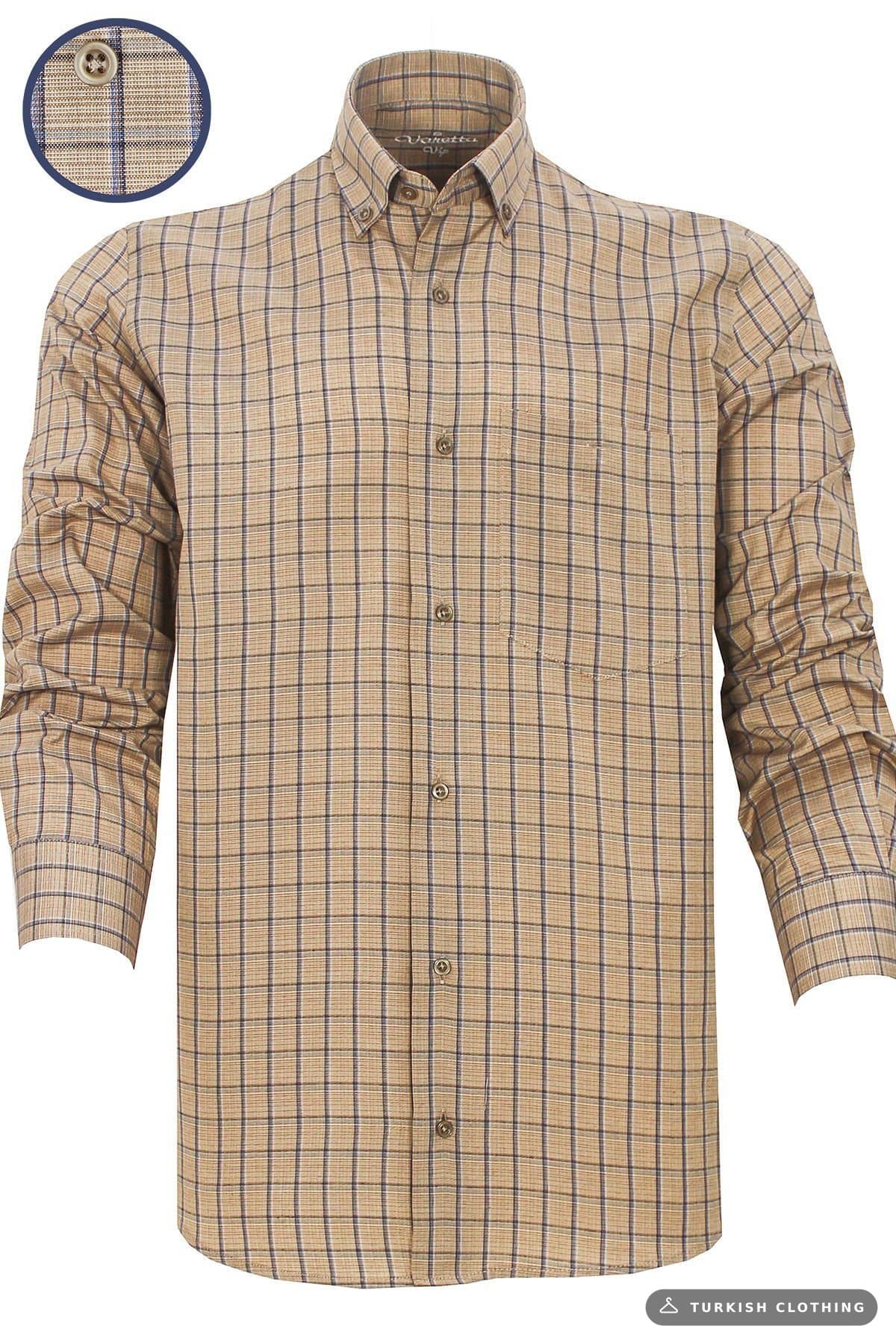
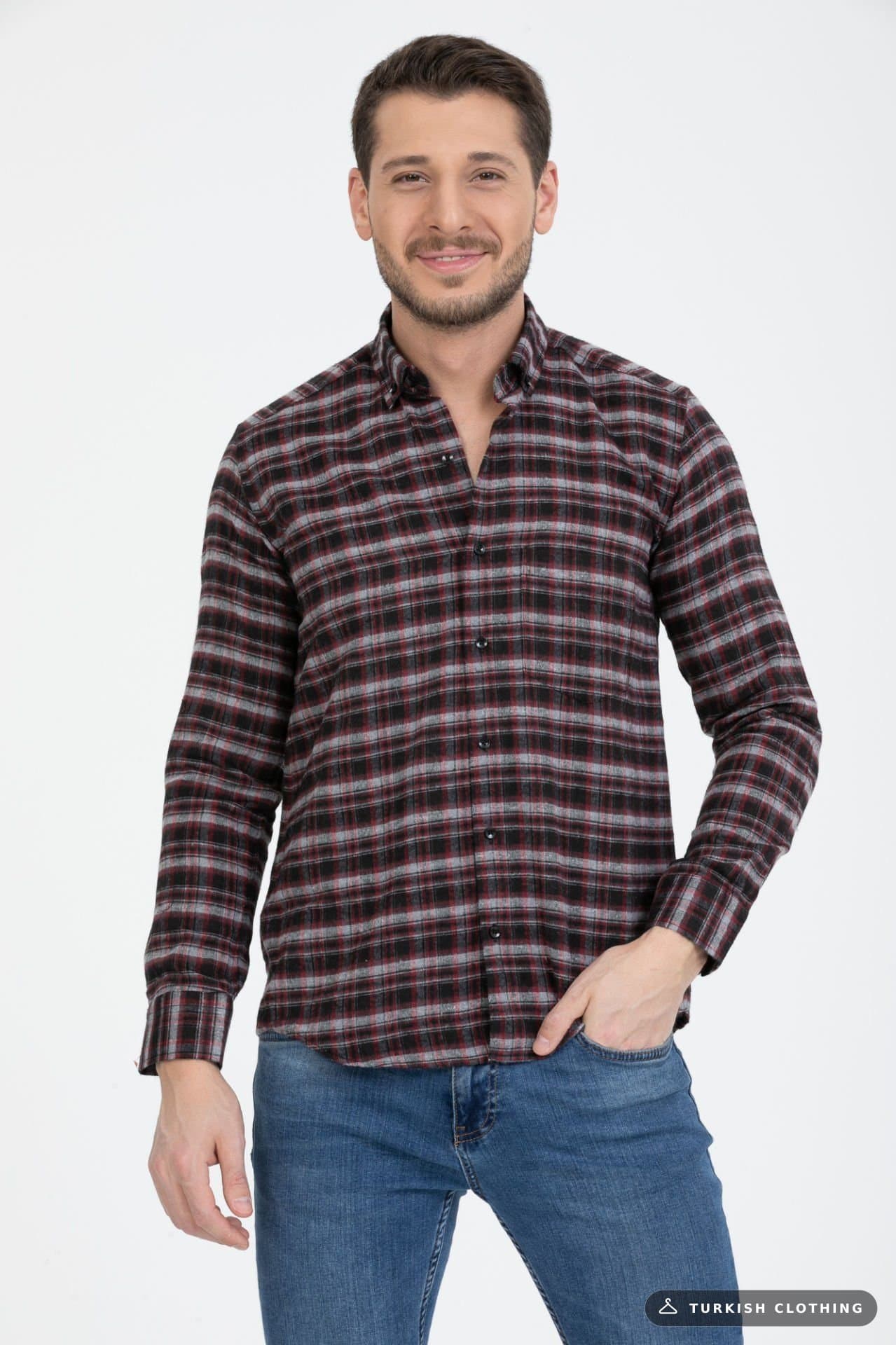
Varetta Men's Brown Checkered Long Sleeve Classic Cut Collar — Checked Button-Down (5)
Varetta
Register to see price— free
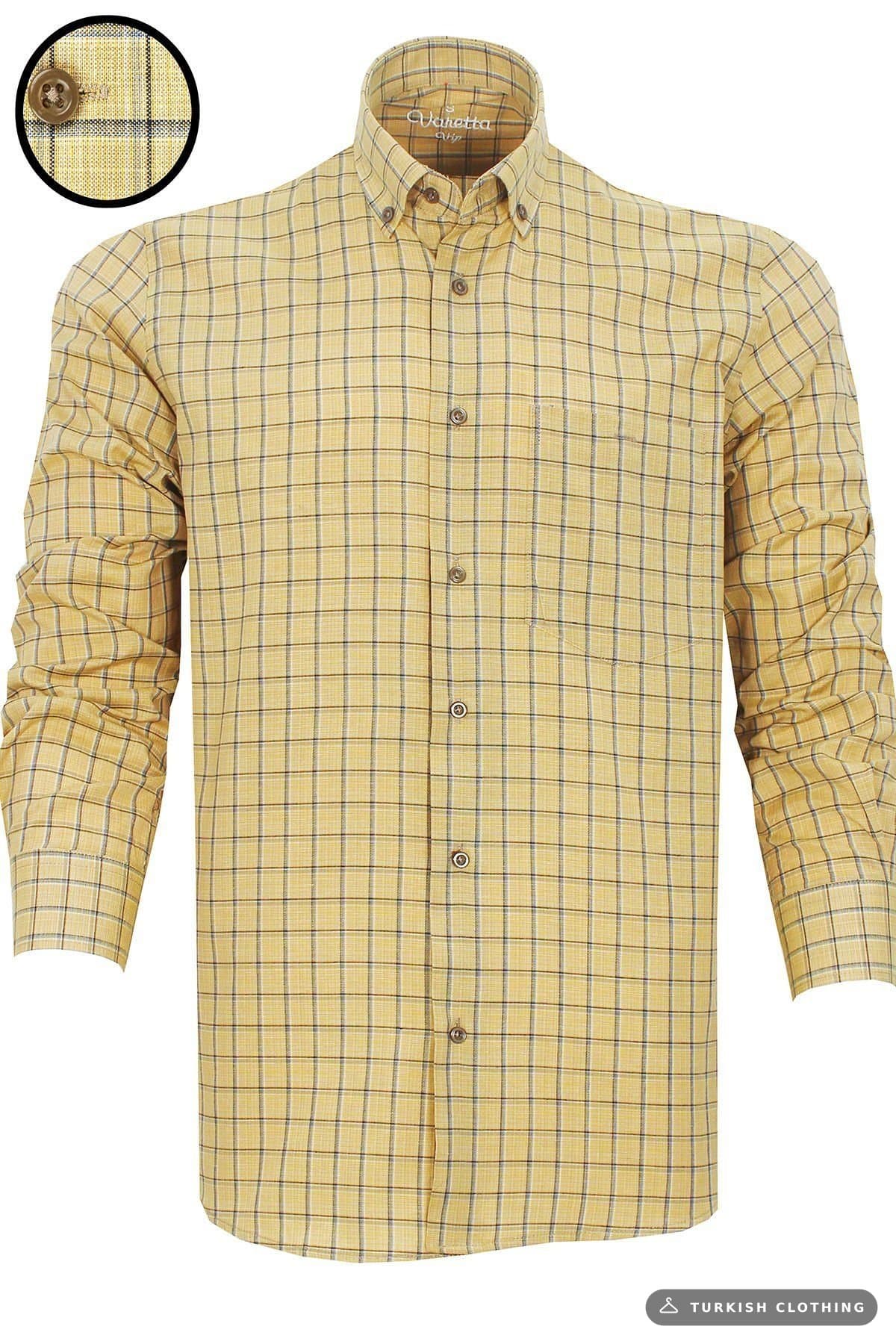
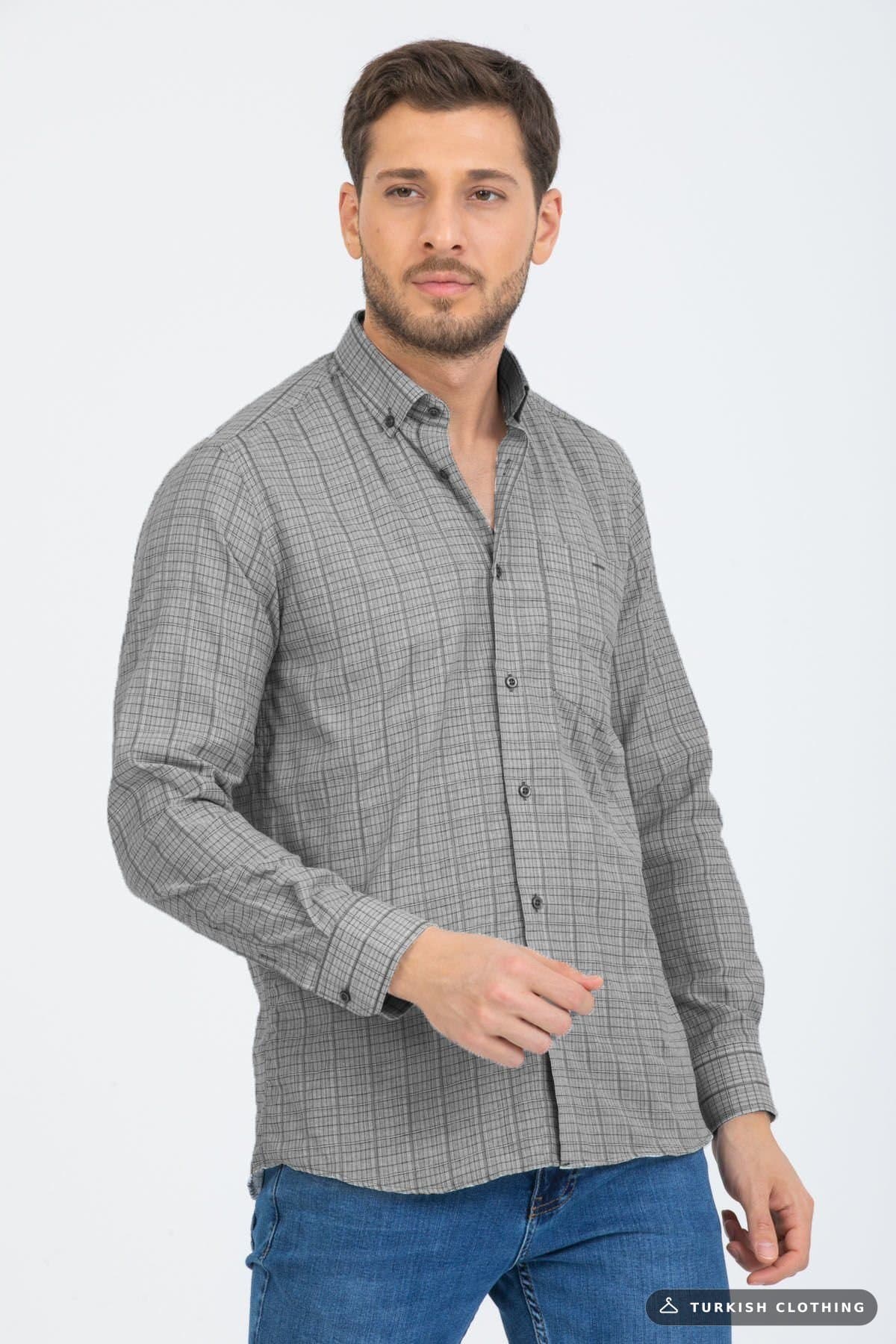
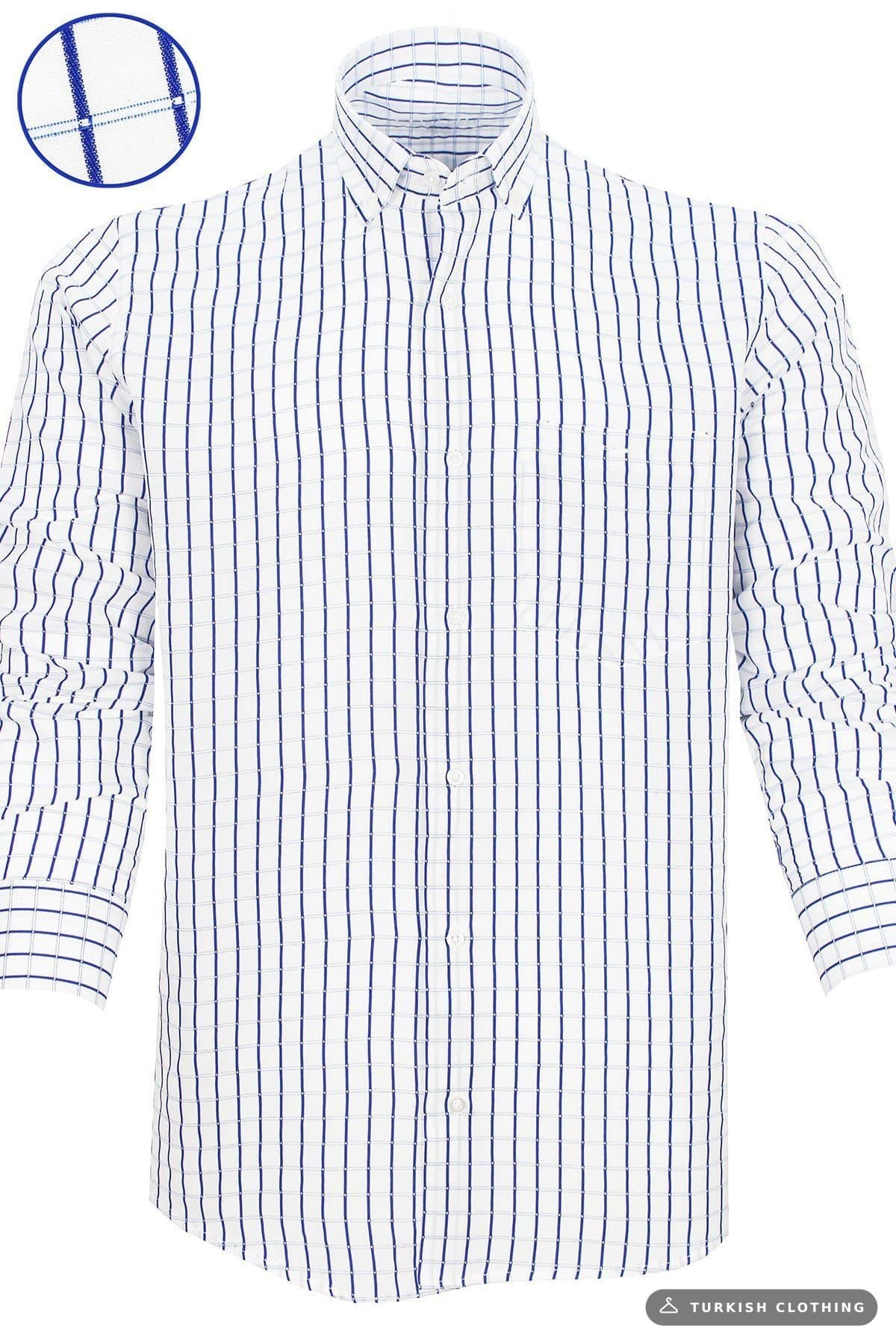
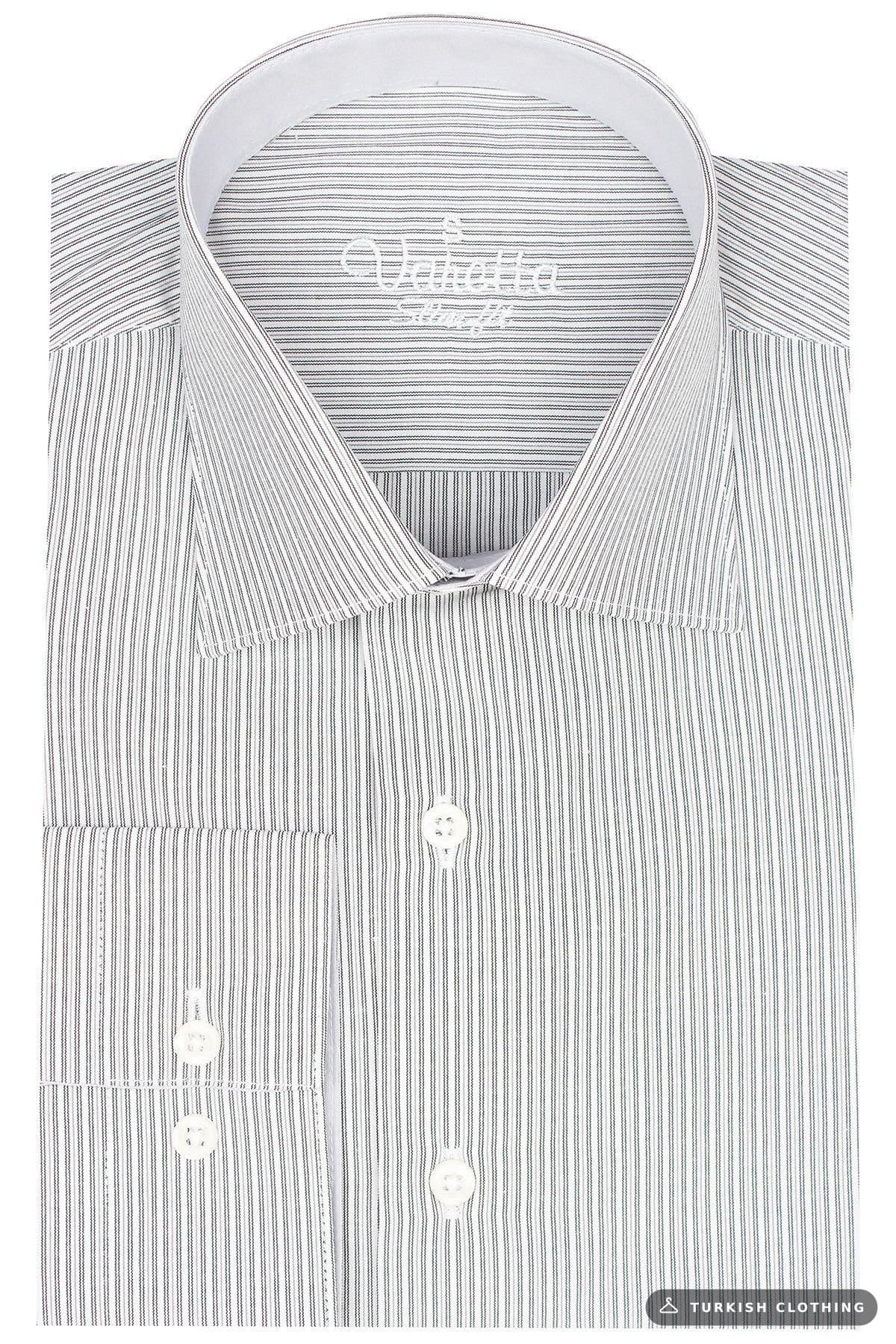
A plaid shirt is really a fabric project with sewing attached. The check is woven from pre-dyed yarns rather than printed on afterwards, which means the design decisions happen at the loom — over-check scale, color count, repeat size — months before a sewing machine touches the cloth. Turkish mills around Denizli and Uşak weave yarn-dyed flannel in the 160 to 220 gsm range and brush it on one or both faces, and the shirt factories downstream are used to working from a mill's shade blanket rather than a printed strike-off.
The craft that separates a convincing flannel shirt from a cheap one is pattern matching. On a well-made shirt the check runs continuously across the front placket, the chest pocket disappears into the body behind it, and the yoke seam meets the sleeve head without a visible jog. Matching burns three to eight percent more fabric because each panel must be cut to the repeat instead of nested tightly, so a factory that quotes suspiciously low is usually planning not to match.
Timing follows the autumn calendar: flannel programs confirmed by June are woven, sewn and delivered for September floor sets, while July confirmations depend on whatever greige the mill kept speculative. The checked and brushed styles below list weight, composition and minimums per style — note in your RFQ whether you need matched pockets and plackets, because it changes both the price and the fabric order.
24 products
Varetta
Register to see price— free
Varetta
Register to see price— free
Varetta
Register to see price— free
Varetta
Register to see price— free
Varetta
Register to see price— free
Varetta
Register to see price— free
Varetta
Register to see price— free
Varetta
Register to see price— free
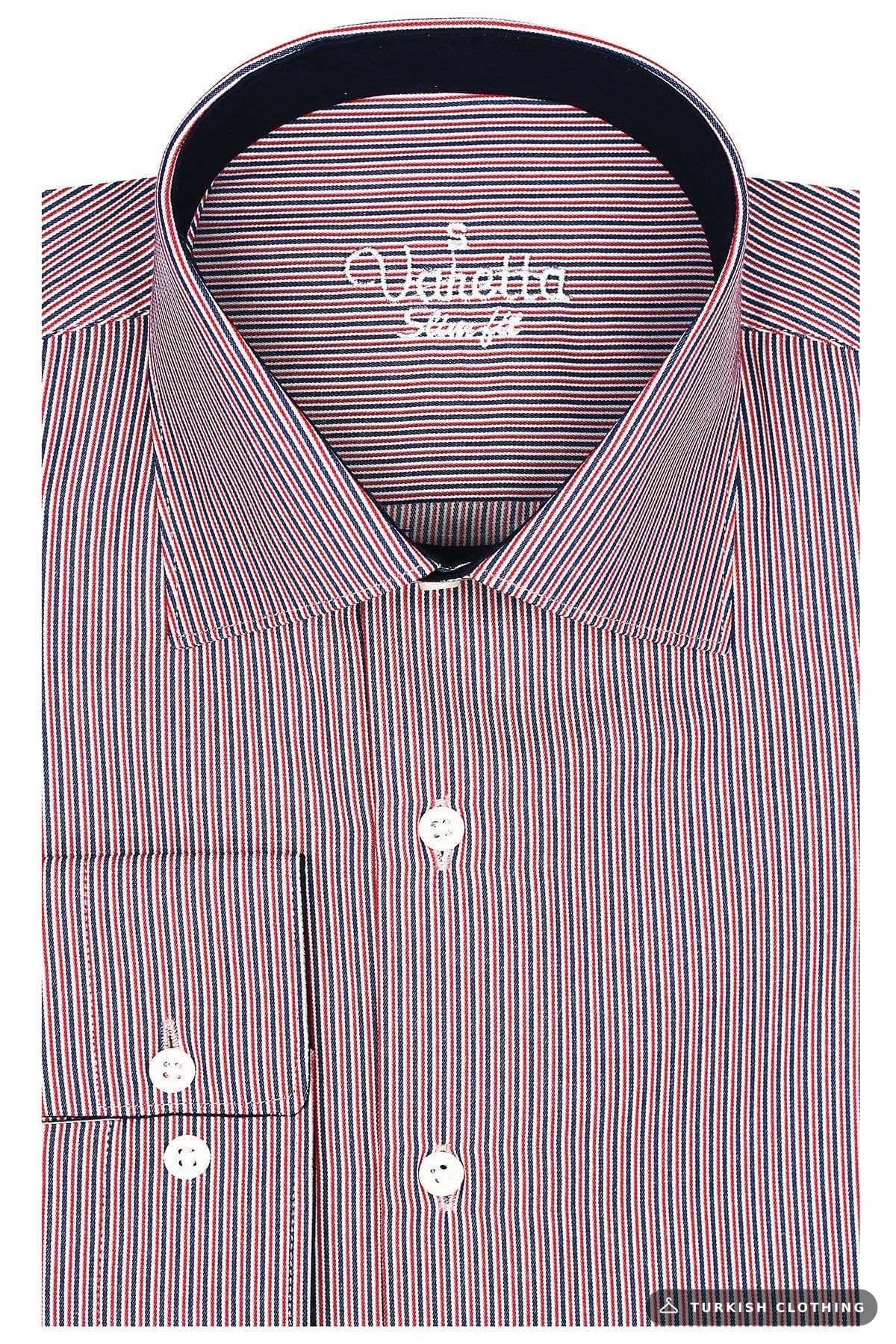
Varetta
Register to see price— free
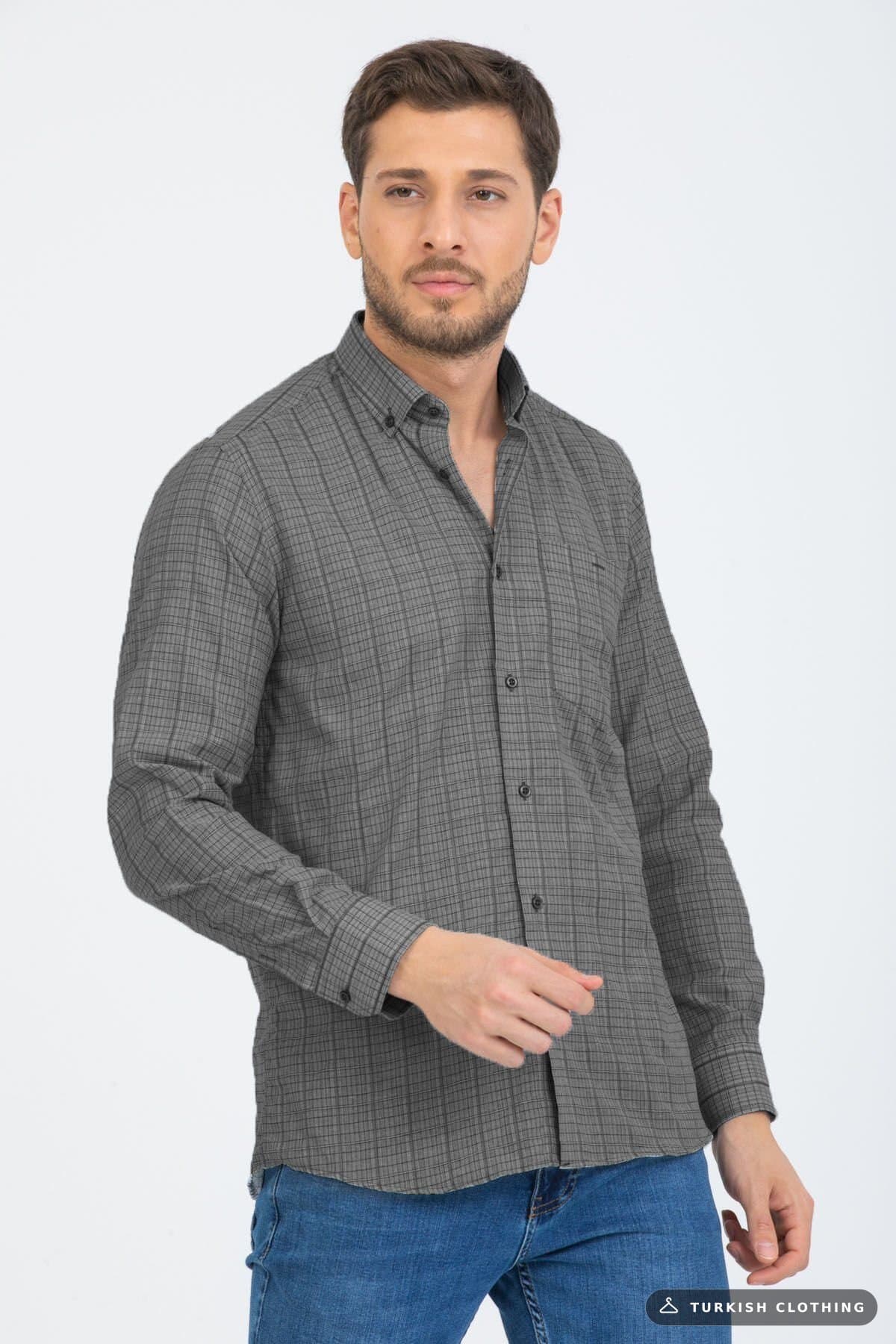
Varetta
Register to see price— free

Varetta
Register to see price— free

Varetta
Register to see price— free

Varetta
Register to see price— free

Varetta
Register to see price— free

Varetta
Register to see price— free

Varetta
Register to see price— free

Varetta
Register to see price— free

Varetta
Register to see price— free

Varetta
Register to see price— free

Varetta
Register to see price— free

Varetta
Register to see price— free

Varetta
Register to see price— free

Varetta
Register to see price— free

Varetta
Register to see price— free