
Trousers
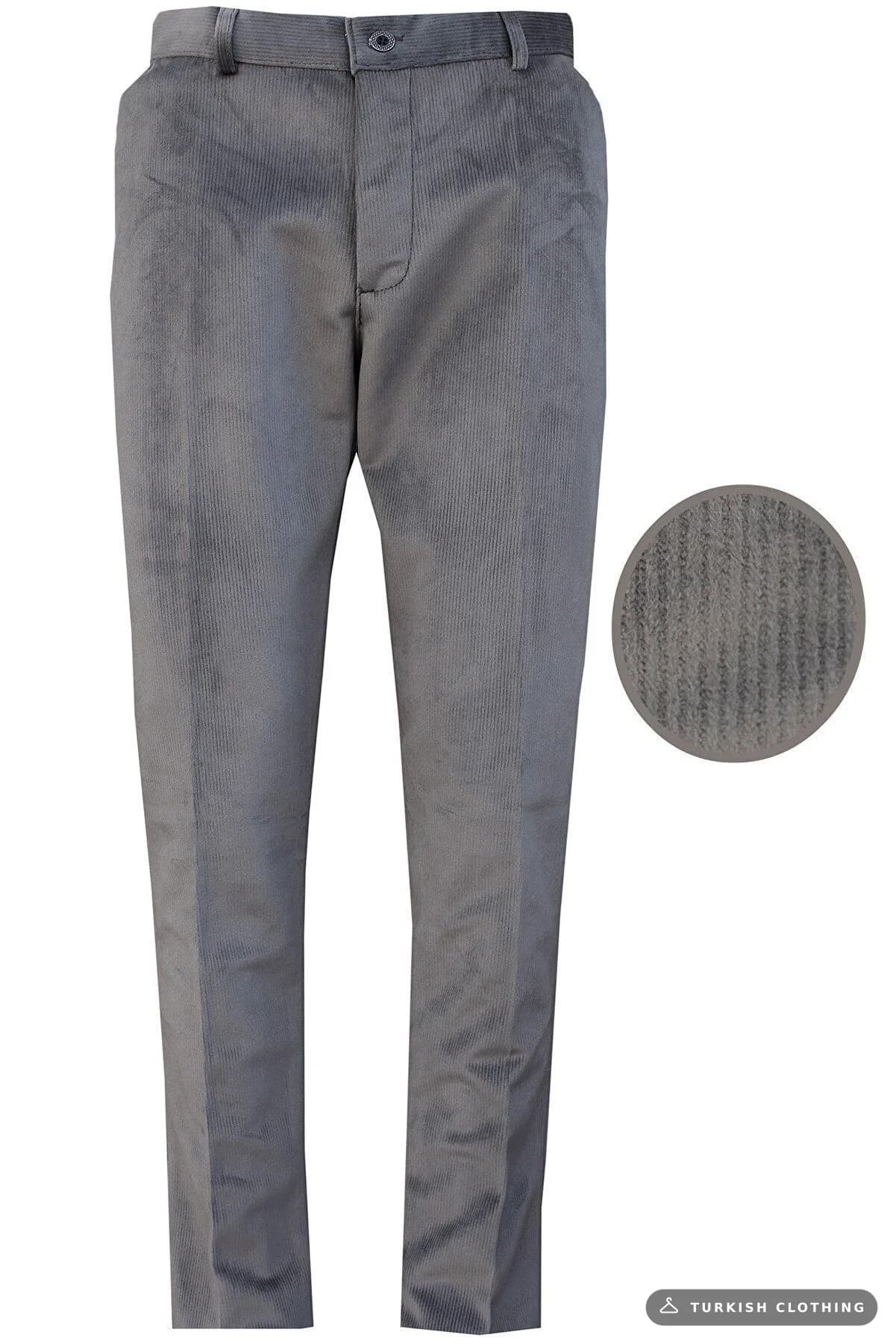
Varetta Men's Smoked Winter Velvet Trousers Classic Cut with Wool Fleece — Smoke Gray
Varetta
Register to see price— free
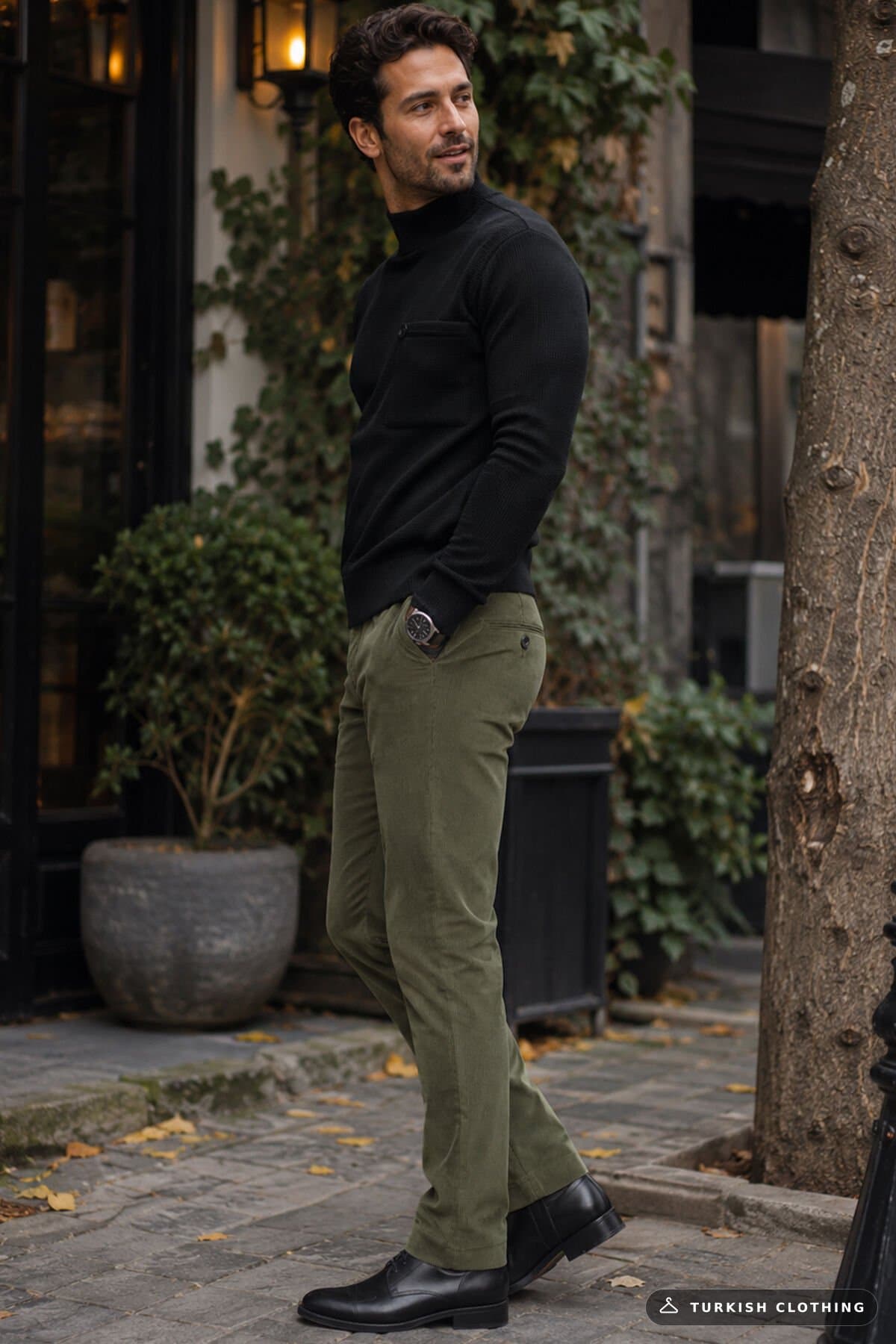
Velvet trousers are a calendar business compressed into one quarter. They sell from late October to New Year, barely exist on the floor the rest of the year, and punish any buyer whose delivery slips past mid-November. Bursa's weaving houses — the historical center of Turkish velvet — supply cotton velvet and knitted velour to trouser plants within the same province, which is why Türkiye can still quote competitive dates in September when most sourcing markets have closed their festive books.
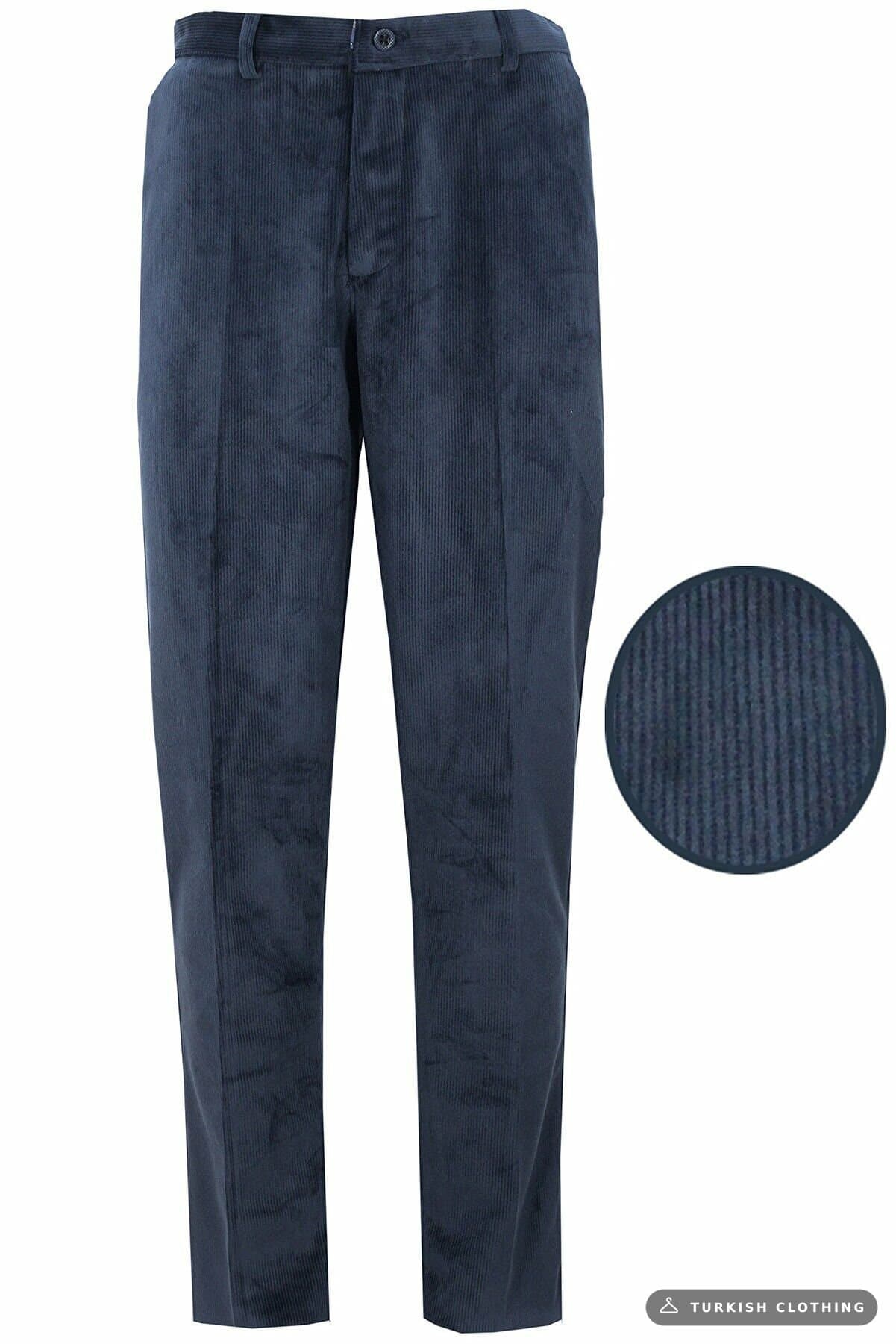
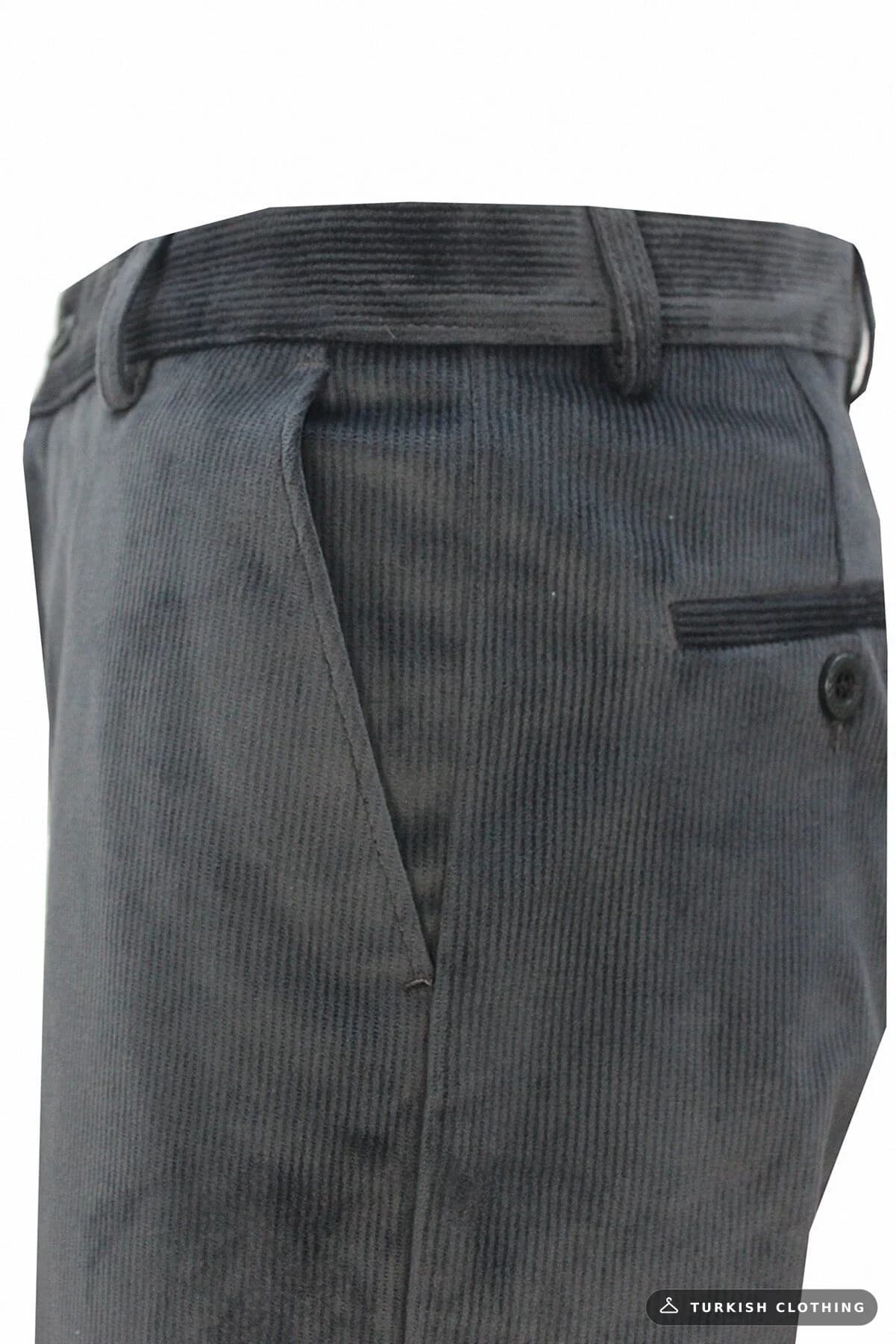
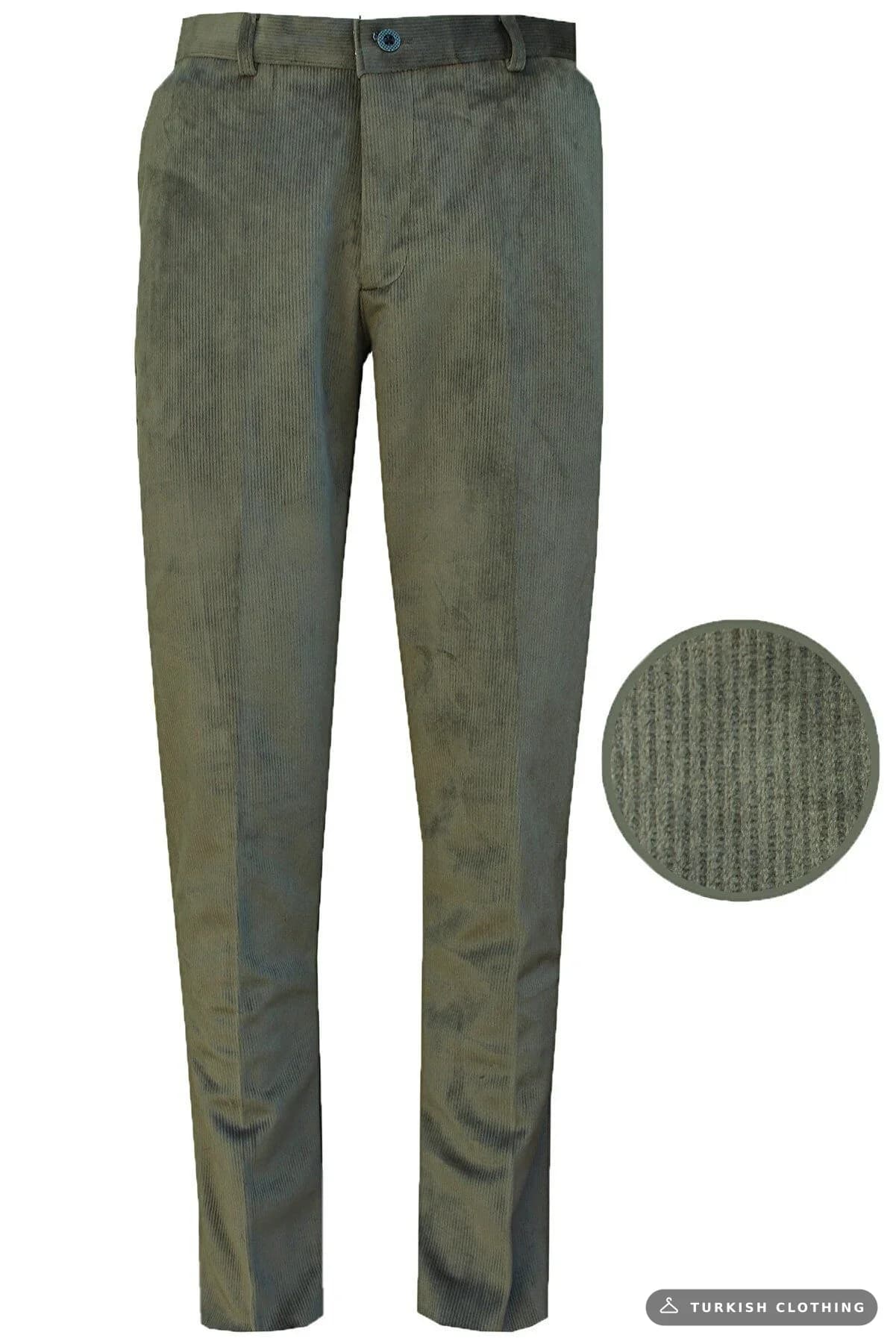
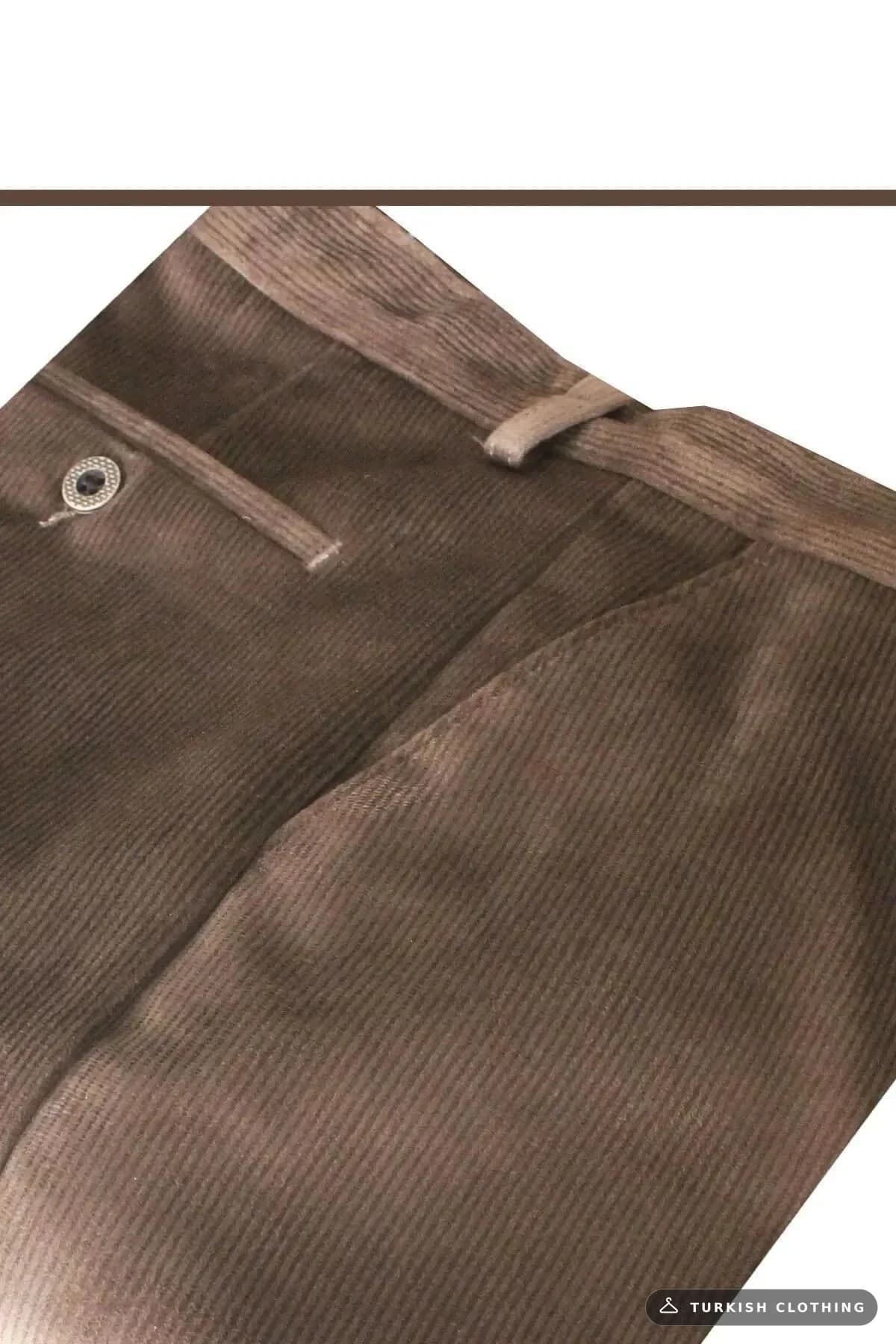
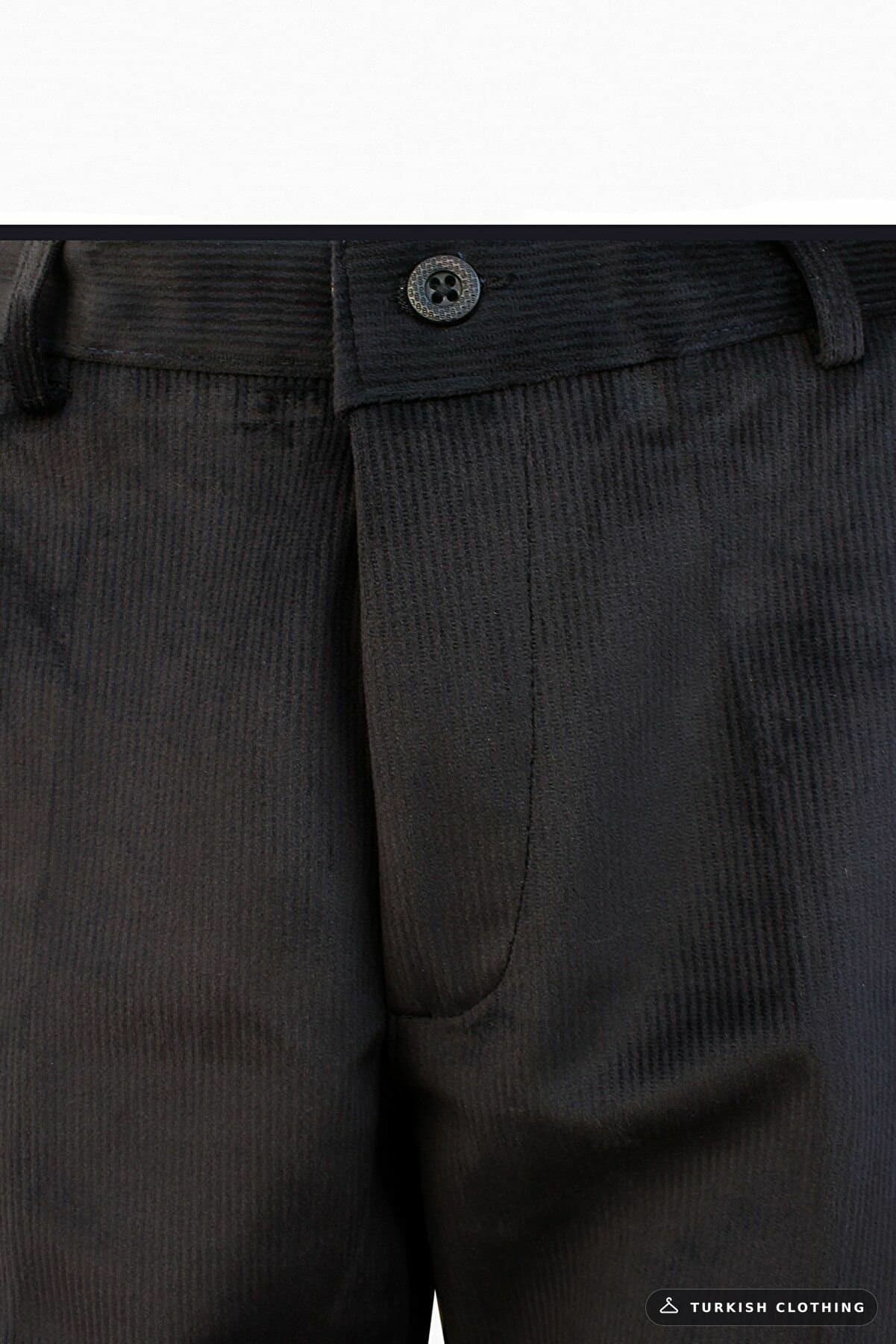
The pile is what makes velvet technically demanding. Every panel must cut in one direction because the nap reflects light differently up and down the leg, a constraint that inflates fabric consumption and rules out the tight nesting that keeps chino markers efficient. Sewing wants walking-foot machines and patience; pressing wants steam and a needle board rather than a flat iron, since ordinary pressing crushes the pile into permanent shine. Factories with a velvet history own this equipment already — it is worth asking directly, because improvisation shows on the finished leg.
Commercially the category splits between woven cotton velvet, which holds a trouser silhouette and suits the premium occasion price point, and stretch velour, which sews like a knit and serves the comfort-led end of festive dressing. Jewel tones — bottle green, burgundy, midnight — outsell black in most European markets. The velvet and velour listings below show composition and minimums; quote requests placed before September get first pick of the season's loom time.
18 products
Varetta
Register to see price— free

Varetta
Register to see price— free

Varetta
Register to see price— free

Varetta
Register to see price— free

Varetta
Register to see price— free
Varetta
Register to see price— free

Varetta
Register to see price— free
Varetta
Register to see price— free

Varetta
Register to see price— free

Varetta
Register to see price— free

Varetta
Register to see price— free

Varetta
Register to see price— free

Varetta
Register to see price— free
Varetta
Register to see price— free
Varetta
Register to see price— free
Varetta
Register to see price— free
Varetta
Register to see price— free