Shirts
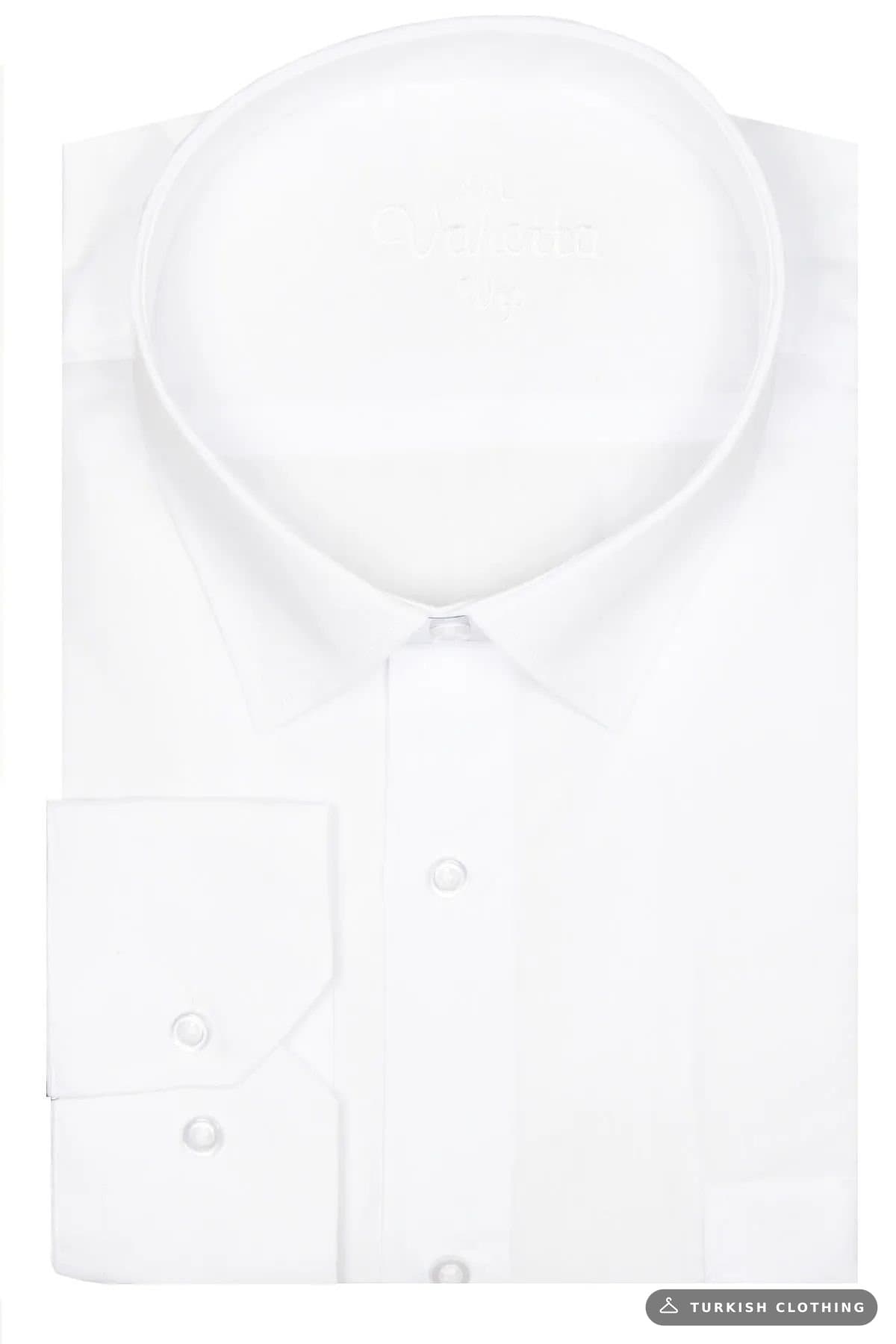
Varetta Men's White Plus Size Shirt with Pockets Long Sleeve (2)
Varetta
Register to see price— free
Extended sizing is where shirt factories genuinely separate. Scaling a base pattern upward by arithmetic produces the fit failures plus-size customers know on sight: armholes that gape, collars that stand away from the neck, buttons that pull across the chest. A proper extended range starts from a separate block drafted on a fuller figure, with the dart placement, sleeve pitch and button spacing rebalanced rather than enlarged. The Turkish workshops that serve European plus-size specialists maintain those blocks as standing assets, which is exactly what a buyer should ask to see before requesting a price.
The commercial case is strong and still underserved. Plus-size shoppers report fewer credible options and repay brands that fit them with loyalty rates mainstream ranges rarely achieve, while the online plus-size segment keeps outgrowing apparel as a whole. The catch is unit economics: a 4XL shirt consumes meaningfully more fabric than a medium, and honest factories price by consumption tier instead of quoting one flat rate that penalizes either side of the curve.
Listings on this page match shirts offered in extended ranges, typically 2XL through 6XL or UK 18 through 32. When you enquire, state the size span and the ratio across it — factories weight the cutting marker to your curve, and a realistic ratio from your sales history beats any generic assumption they could make.
24 products
Varetta
Register to see price— free

Varetta
Register to see price— free


Varetta
Register to see price— free


Varetta
Register to see price— free

Varetta
Register to see price— free

Varetta
Register to see price— free

Varetta
Register to see price— free

Varetta
Register to see price— free

Varetta
Register to see price— free

Varetta
Register to see price— free

Varetta
Register to see price— free

Varetta
Register to see price— free

Varetta
Register to see price— free

Varetta
Register to see price— free

Varetta
Register to see price— free