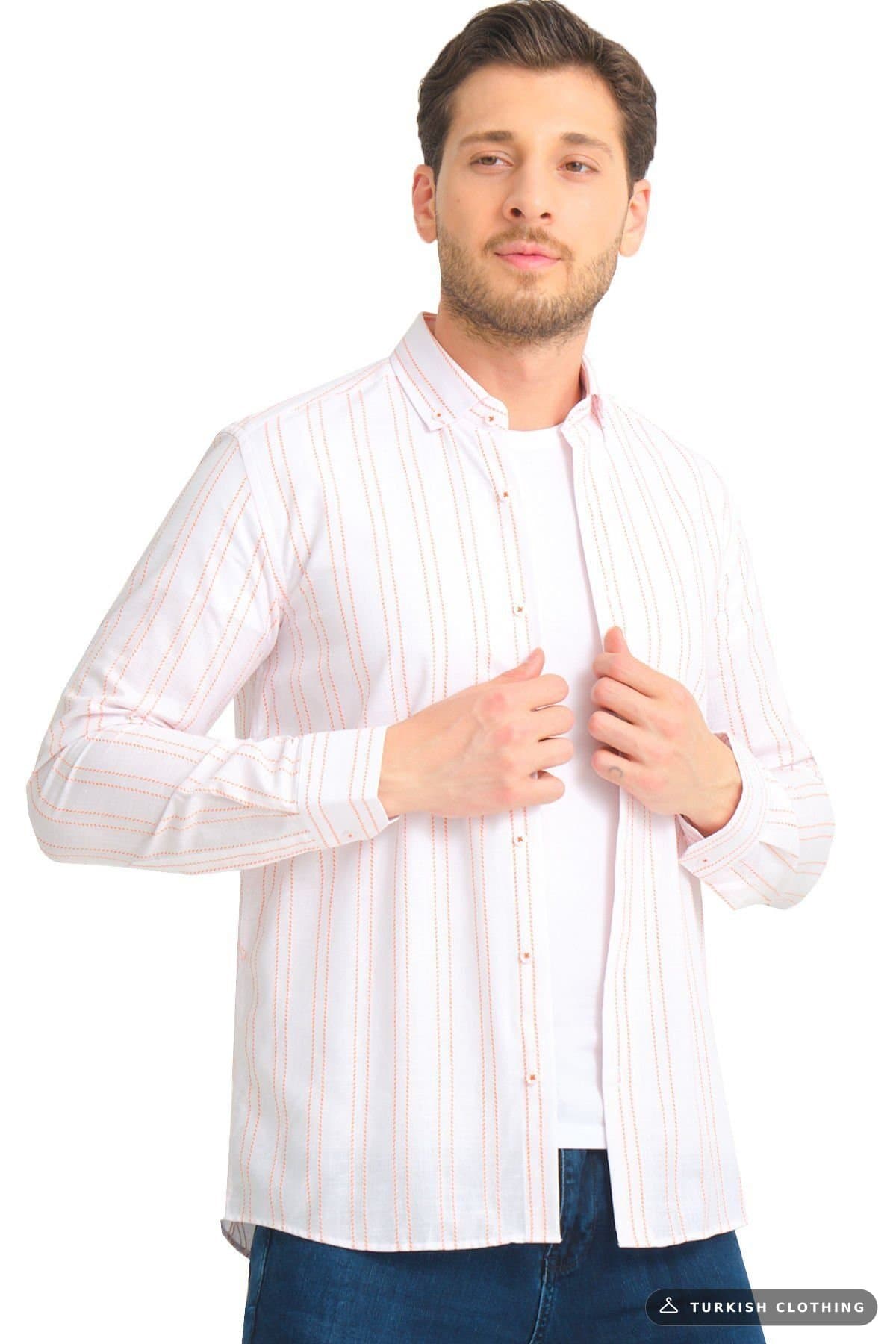
Wholesale Linen Shirts from Turkey
Linen rewards factories that respect its temperament. The fiber frays quickly at a raw edge, creases the moment it is handled and telegraphs every skipped stitch through its open weave, so shirt workshops that run flax season after season slow their machines down, switch to finer needles and bind the internal seams as a matter of routine. Buyers comparing quotes should treat that accumulated habit as part of what they are paying for; a low price from a poplin specialist who has never sewn linen usually costs more by the time the claims are settled.
The cloth itself comes either from Denizli's flax-blend weavers or from European spinners working through Turkish converters, in shirting weights that run roughly 130 to 185 gsm. Lighter cloth suits beach overshirts and resort concessions; the heavier end holds a collar well enough for smart-casual menswear. Camp collars, band collars and relaxed button-throughs in white, sand and washed pastels dominate the order books from March through July.
Because linen costs more per meter in short runs, minimums land slightly above the equivalent cotton shirt — plan on roughly 100 to 150 pieces per color when you draft the RFQ. Each listing below states the exact composition, whether pure flax or a softer linen-viscose blend, along with its minimum and FOB band, and garment-washing can be added during quoting for brands that want the shirt to arrive already broken in.
Live linen shirts listings
24 products
Shirts
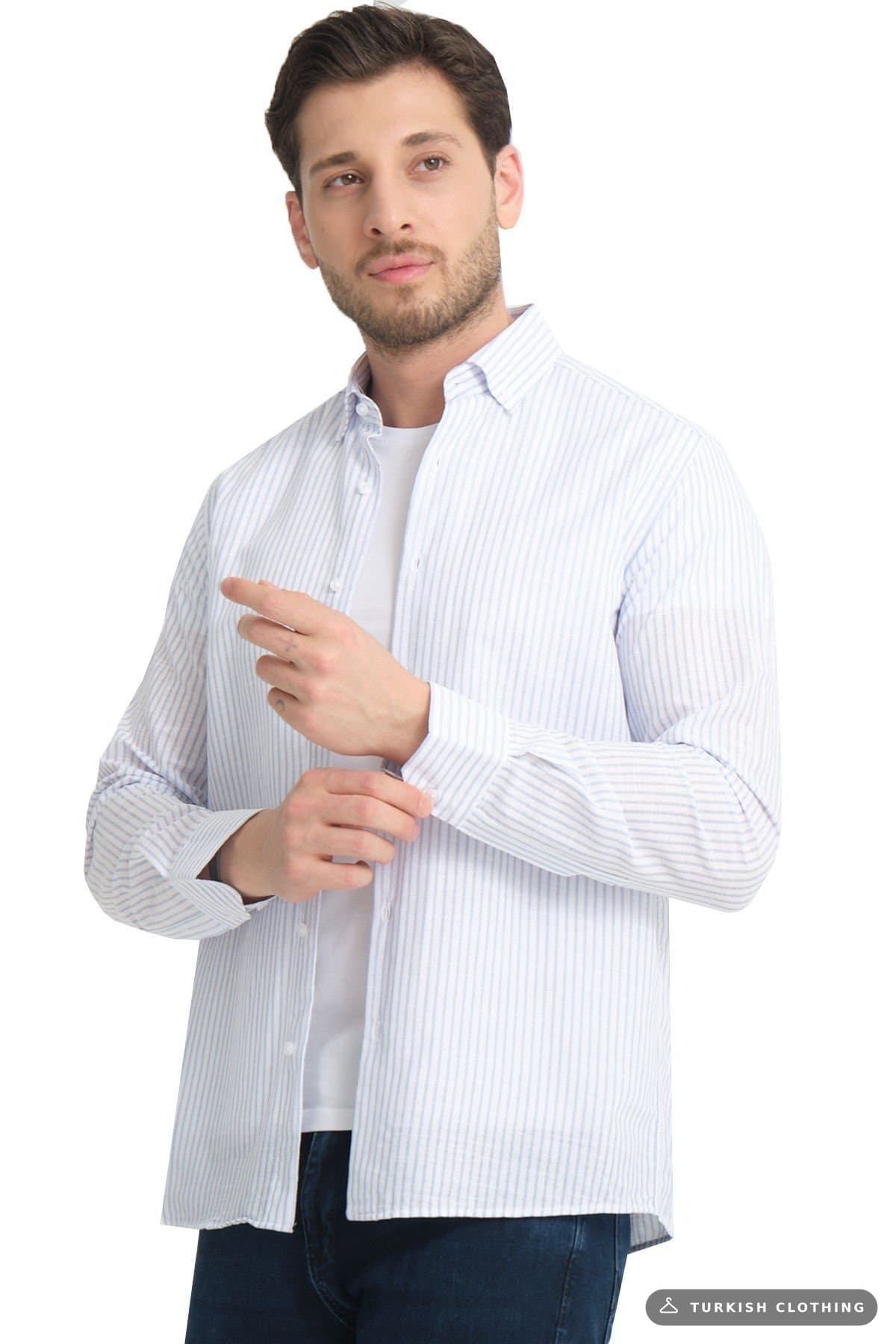
Varetta Blue Striped Linen Cotton Pocketless Long Sleeve Shirt Baby
Varetta
Register to see price— free

Shirts
Varetta Premium Linen Effect Classic Cut Pocket Long Sleeve Button Collar Men's — Navy (2)
Varetta
Register to see price— free

Shirts
Varetta Men's Salmon Long Sleeve Linen Effect Pocket Cotton Shirt Light
Varetta
Register to see price— free
Shirts
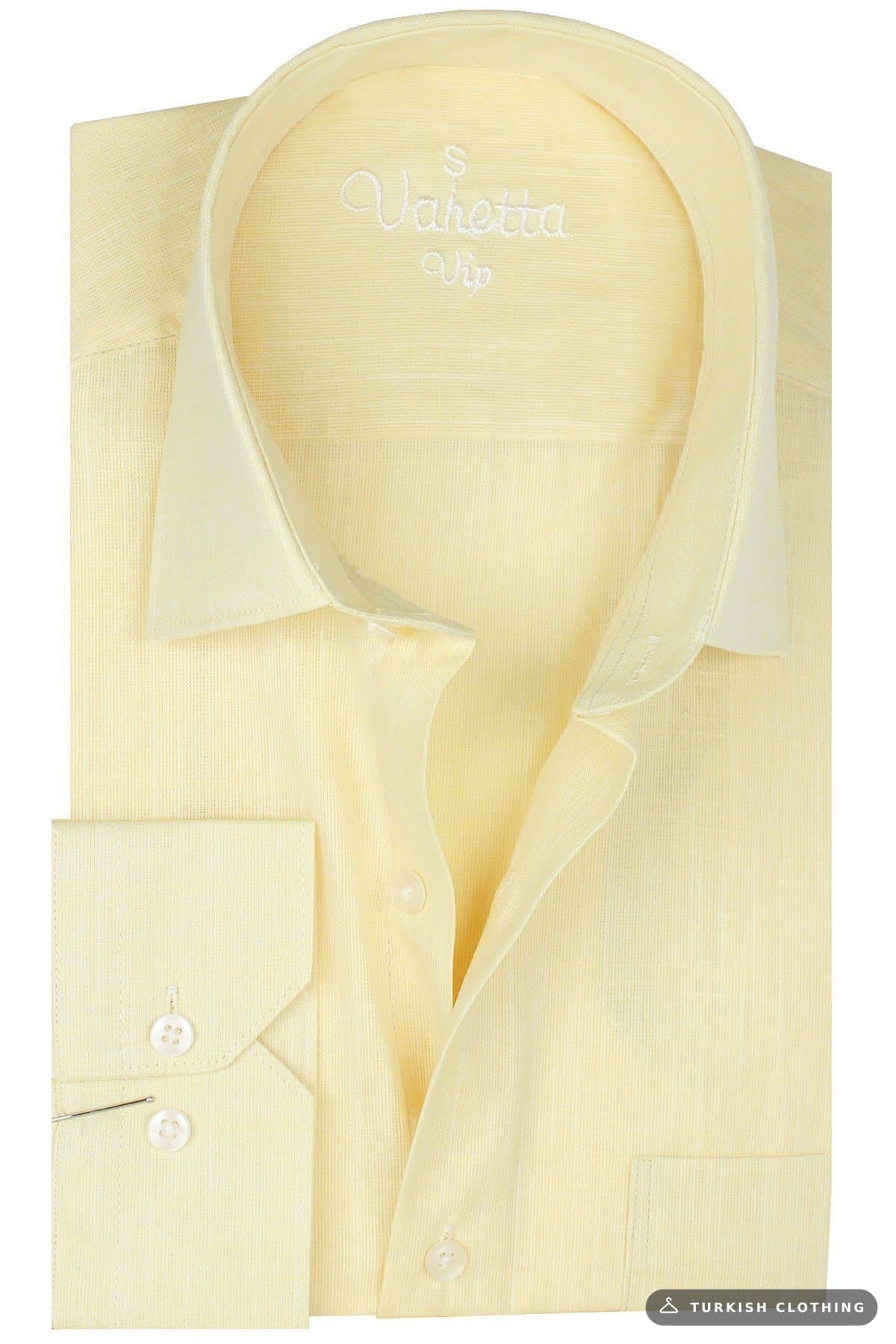
Varetta Men's Yellow Long Sleeve Linen Effect Pocket Cotton Shirt (2)
Varetta
Register to see price— free
Shirts
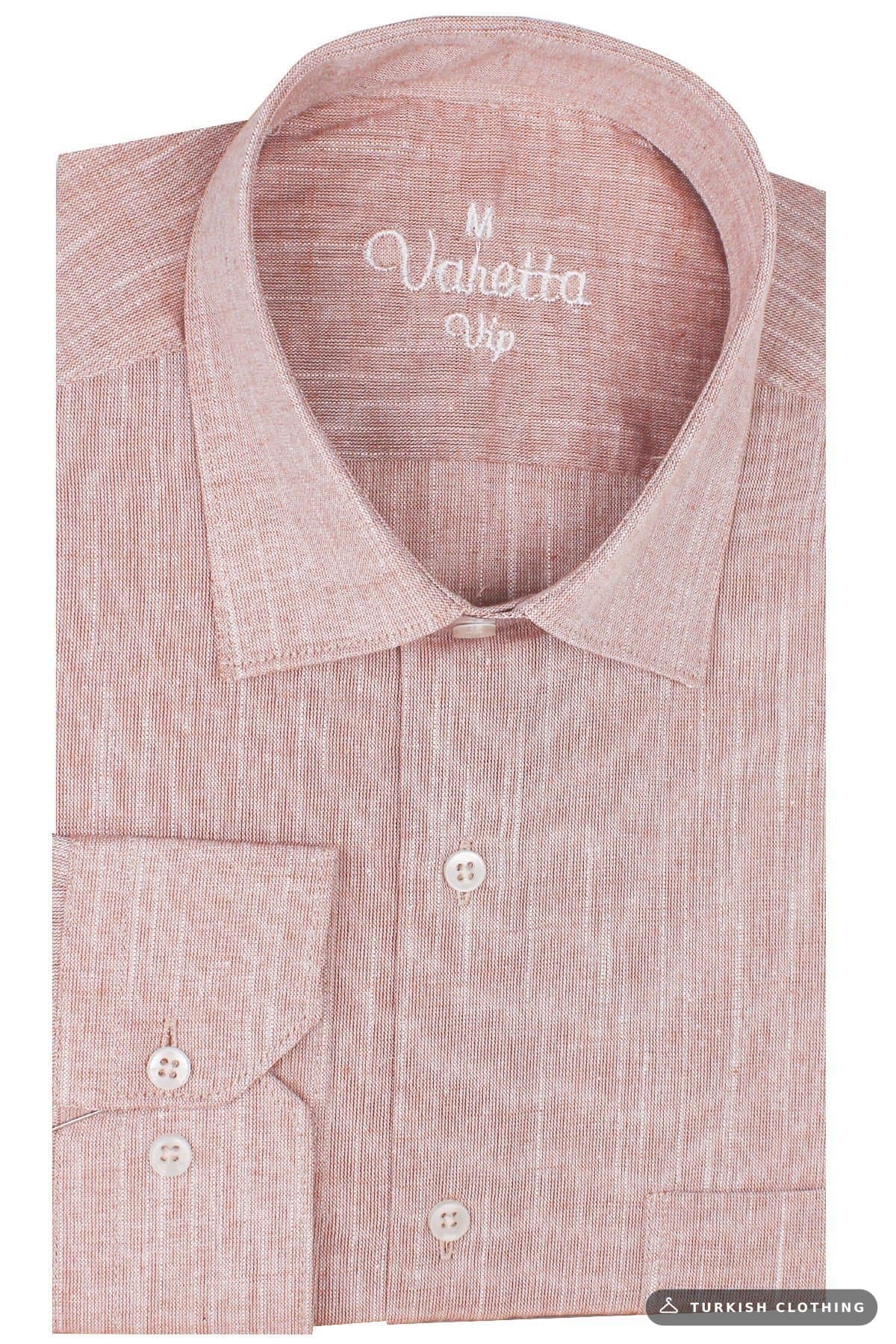
Varetta Men's Rose Gold Long Sleeve Linen Effect Pocket Cotton Shirt Pink
Varetta
Register to see price— free
Shirts
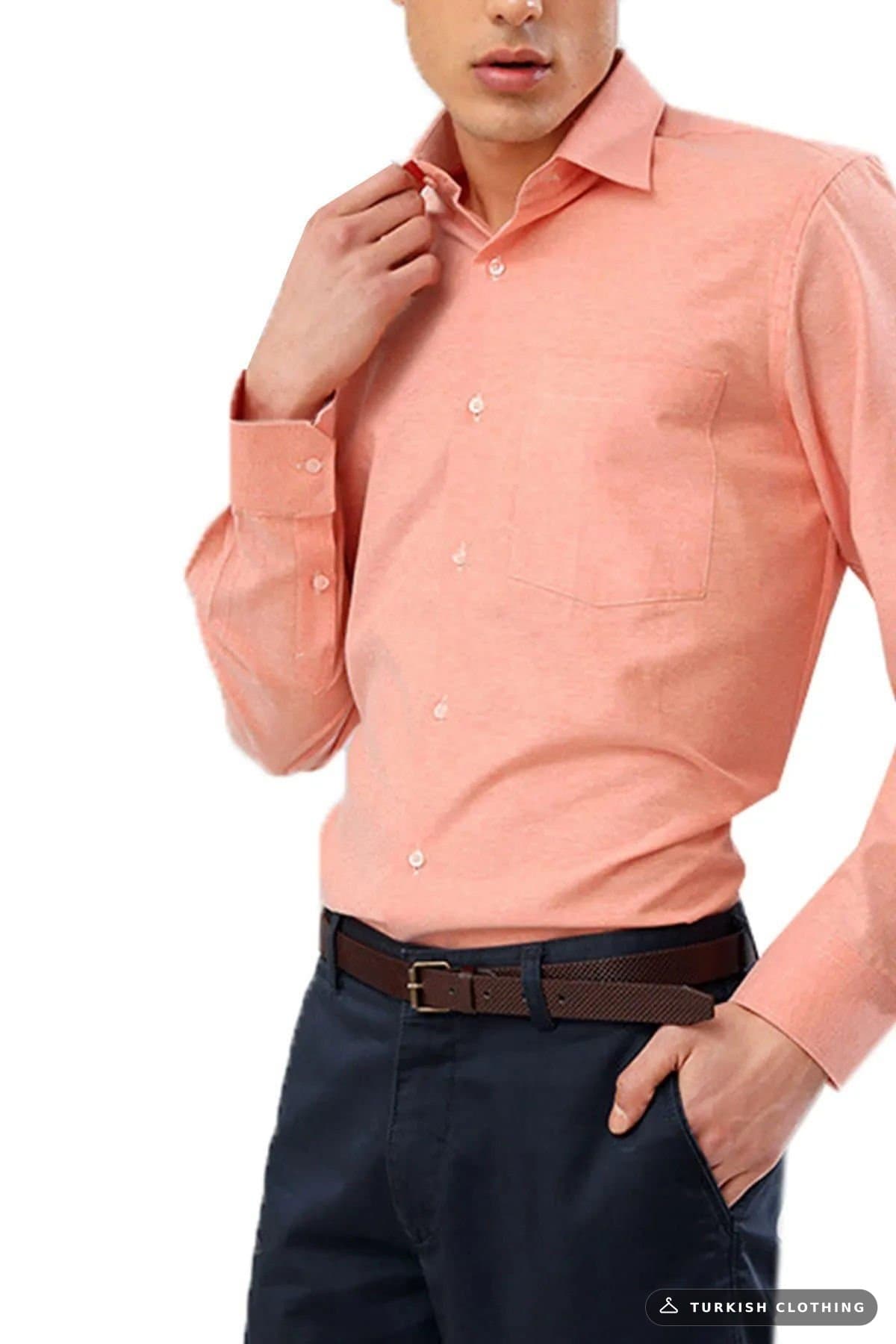
Varetta Men's Salmon Shirt Long Sleeve Linen Effect Pocket Cotton Summer Orange
Varetta
Register to see price— free
Shirts
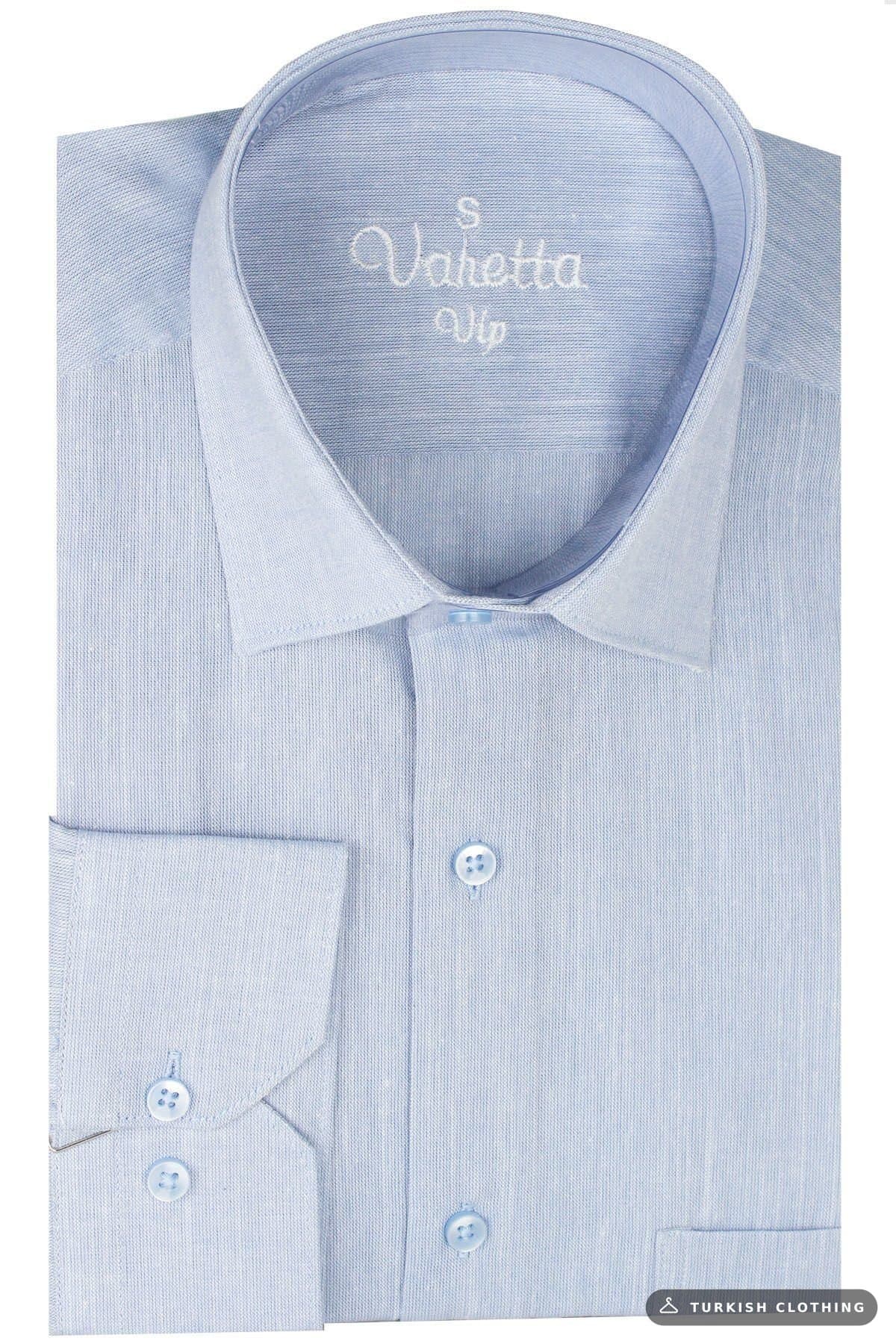
Varetta Men's Blue Long Sleeve Linen Effect Pocket Cotton Shirt (6)
Varetta
Register to see price— free
Shirts
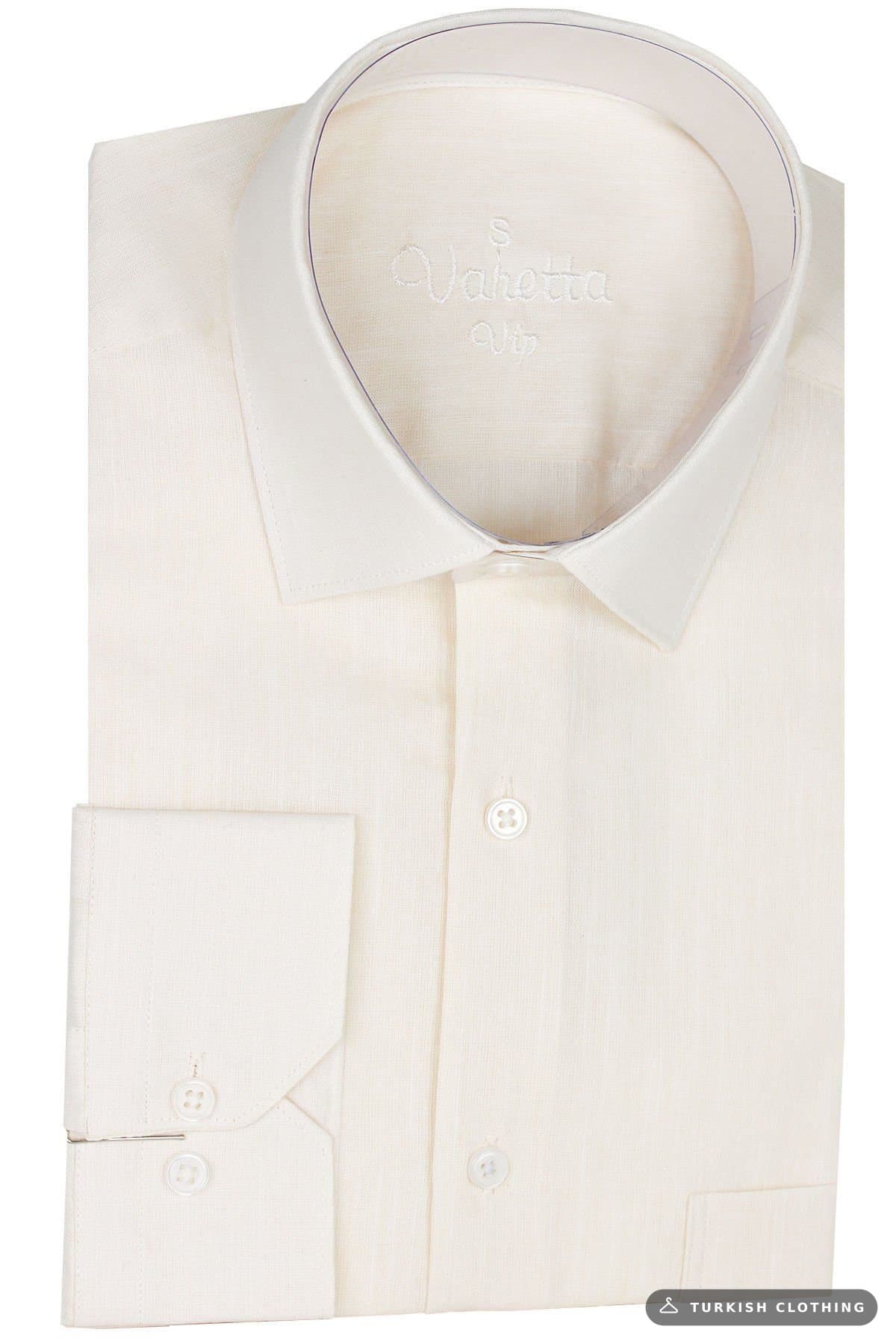
Varetta Men's Cream Long Sleeve Linen Effect Pocket Cotton Shirt (2)
Varetta
Register to see price— free
Shirts
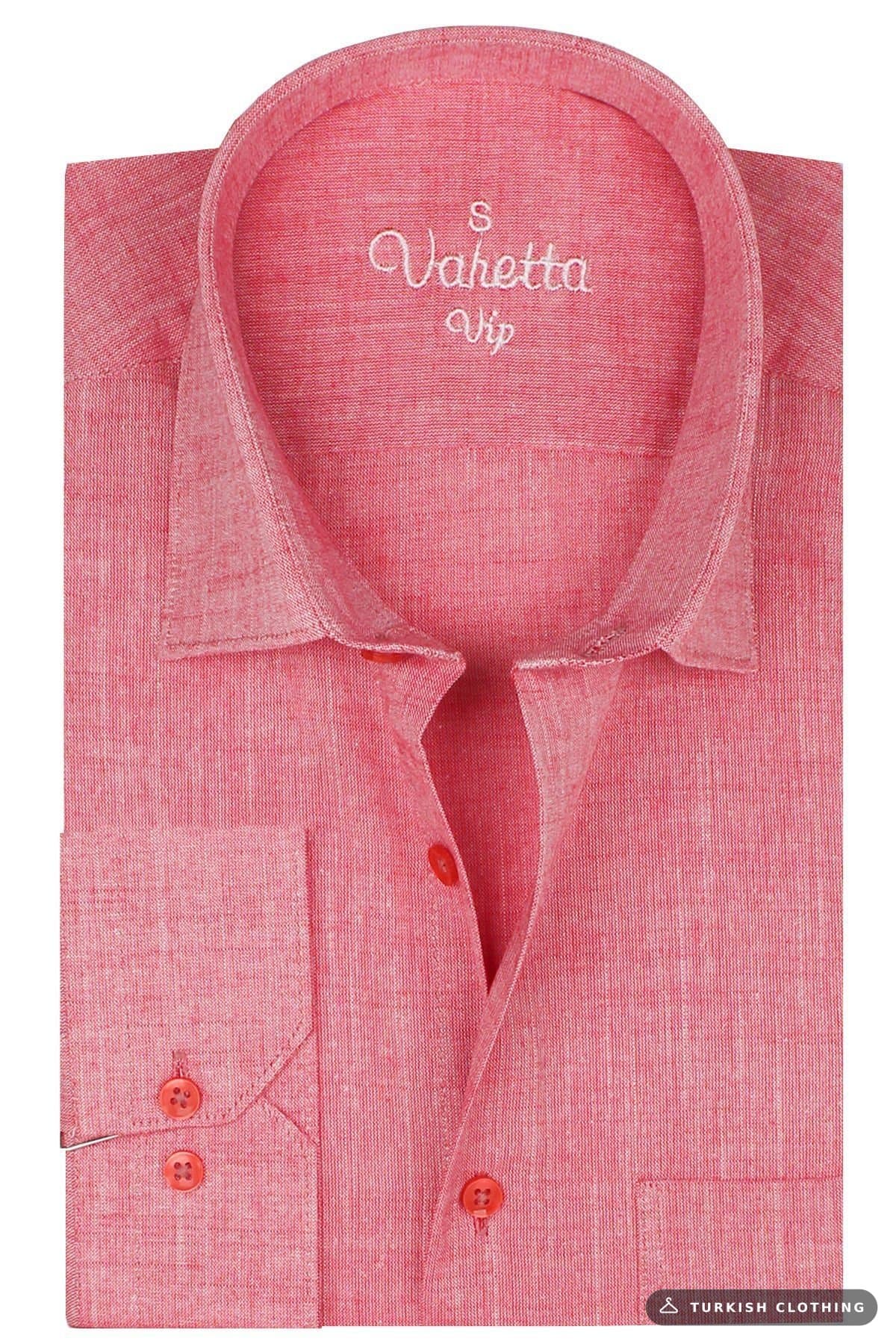
Varetta Men's Pink Shirt Long Sleeve Linen Effect Pocket Cotton (2)
Varetta
Register to see price— free
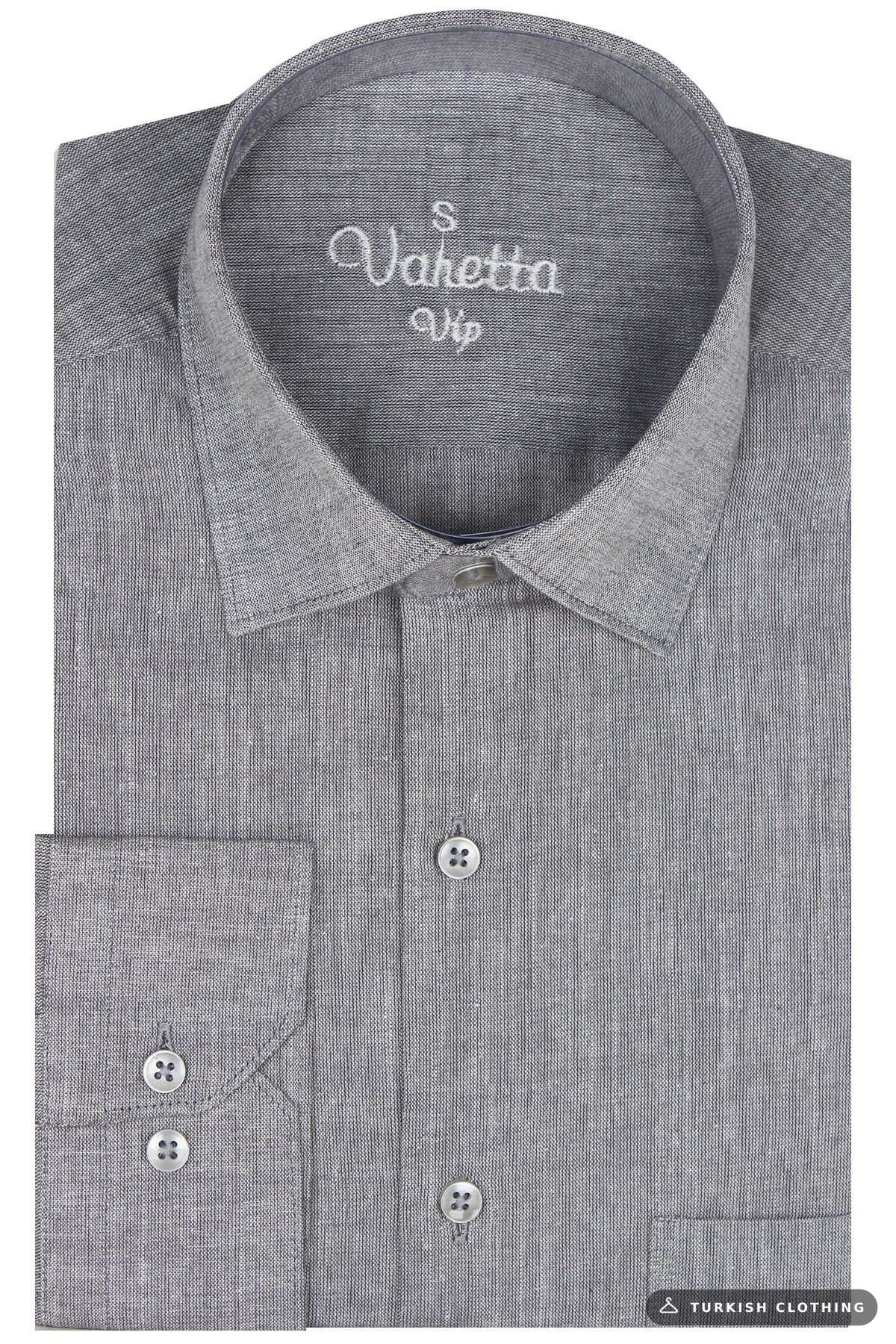
Shirts
Varetta Men's Gray Shirt Linen Effect Pocket Cotton Long Sleeve (3)
Varetta
Register to see price— free
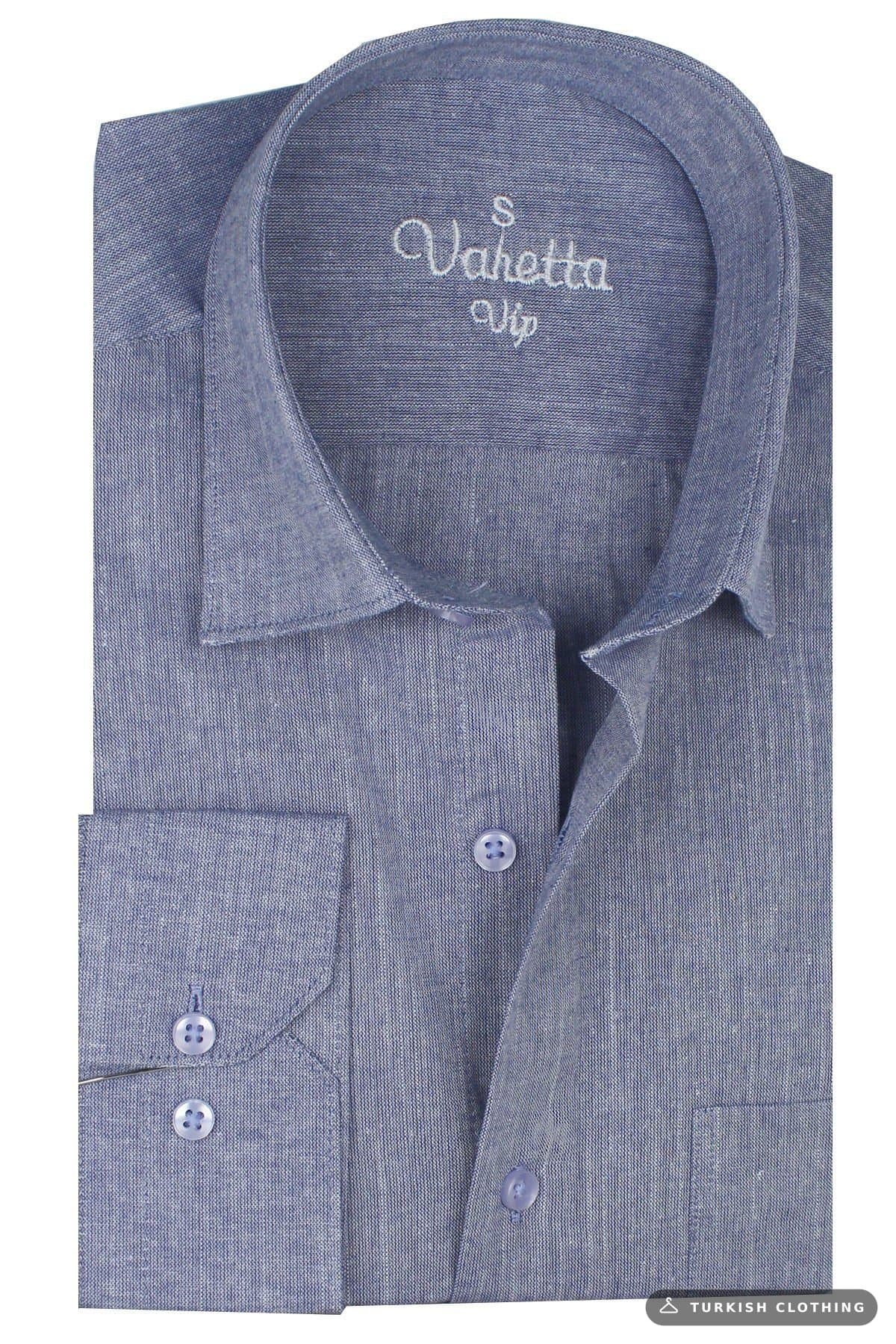
Shirts
Varetta Men's Blue Long Sleeve Linen Effect Pocket Cotton Shirt (5)
Varetta
Register to see price— free
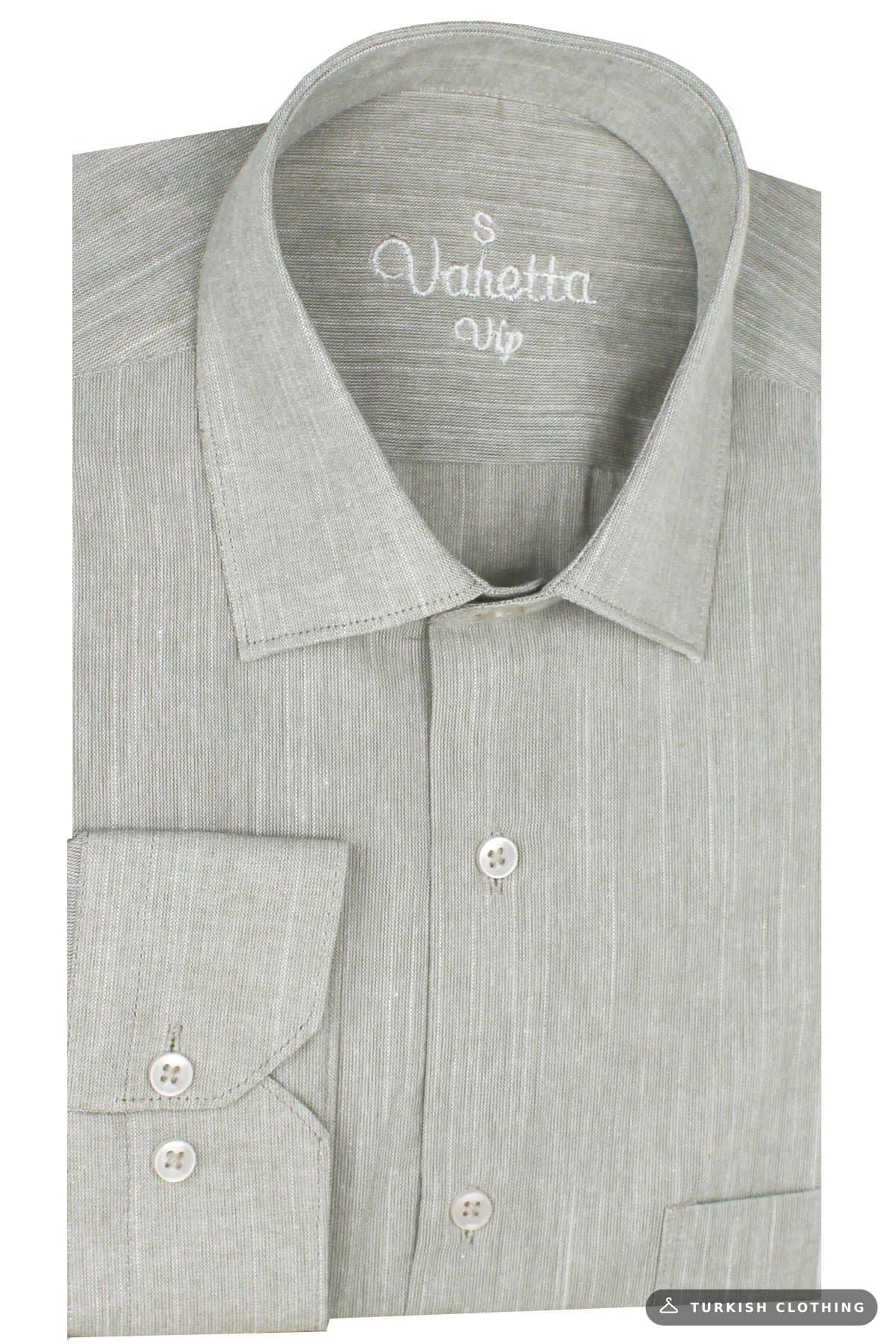
Shirts
Varetta Men's Green Long Sleeve Linen Effect Pocket Cotton Shirt (2)
Varetta
Register to see price— free
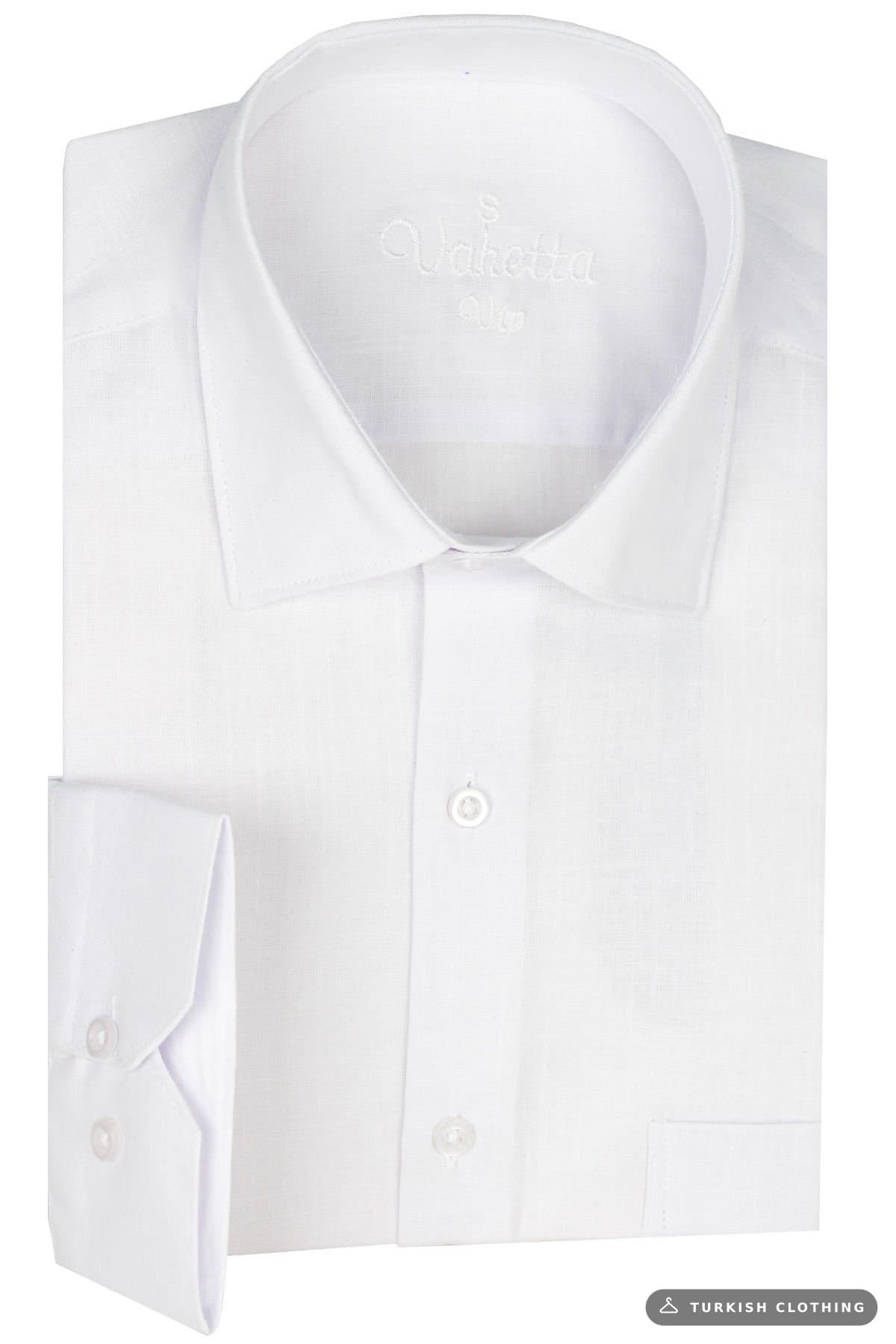
Shirts
Varetta Men's White Long Sleeve Linen Effect Pocket Cotton Shirt (2)
Varetta
Register to see price— free
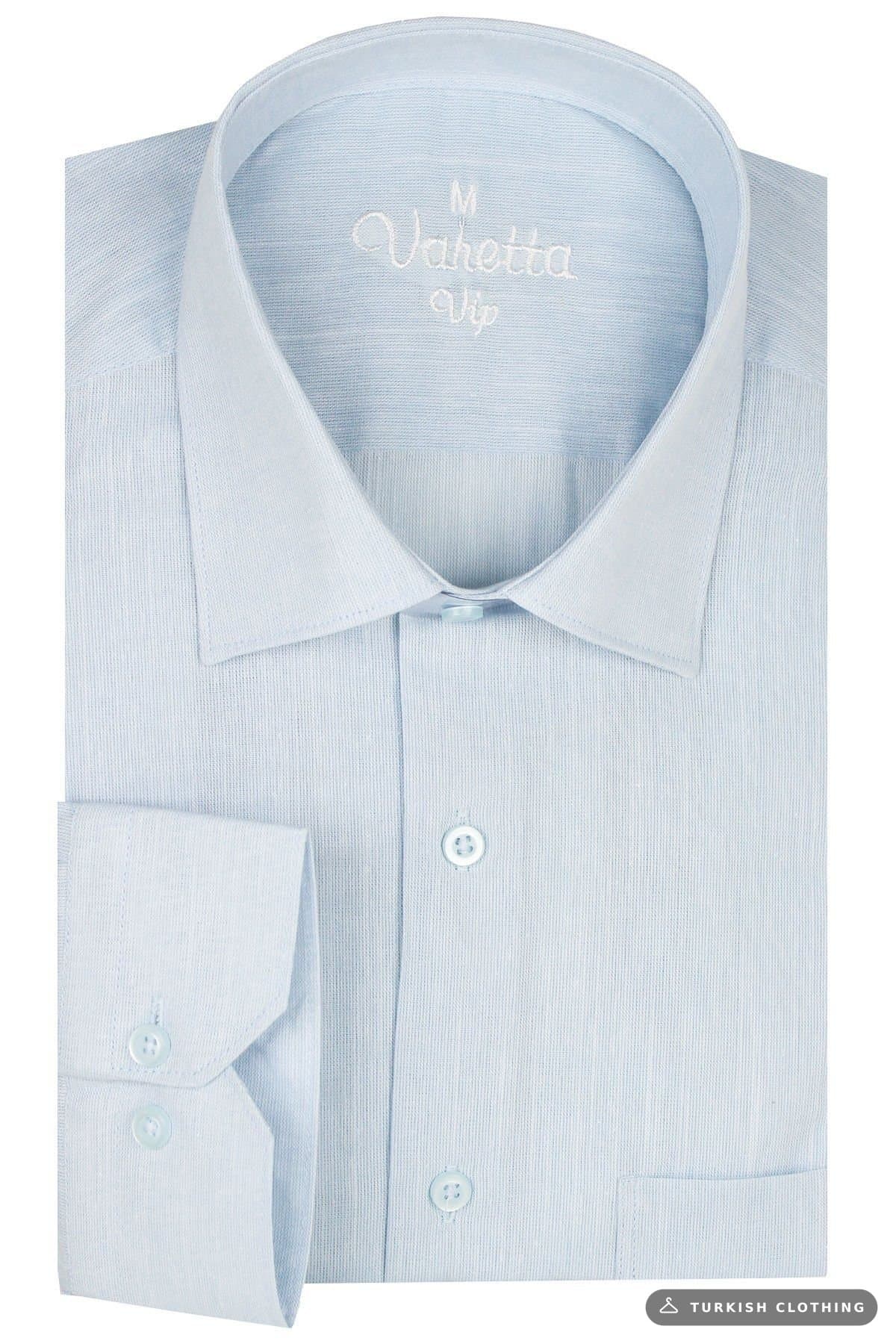
Shirts
Varetta Men's Blue Long Sleeve Linen Effect Pocket Cotton Shirt (4)
Varetta
Register to see price— free
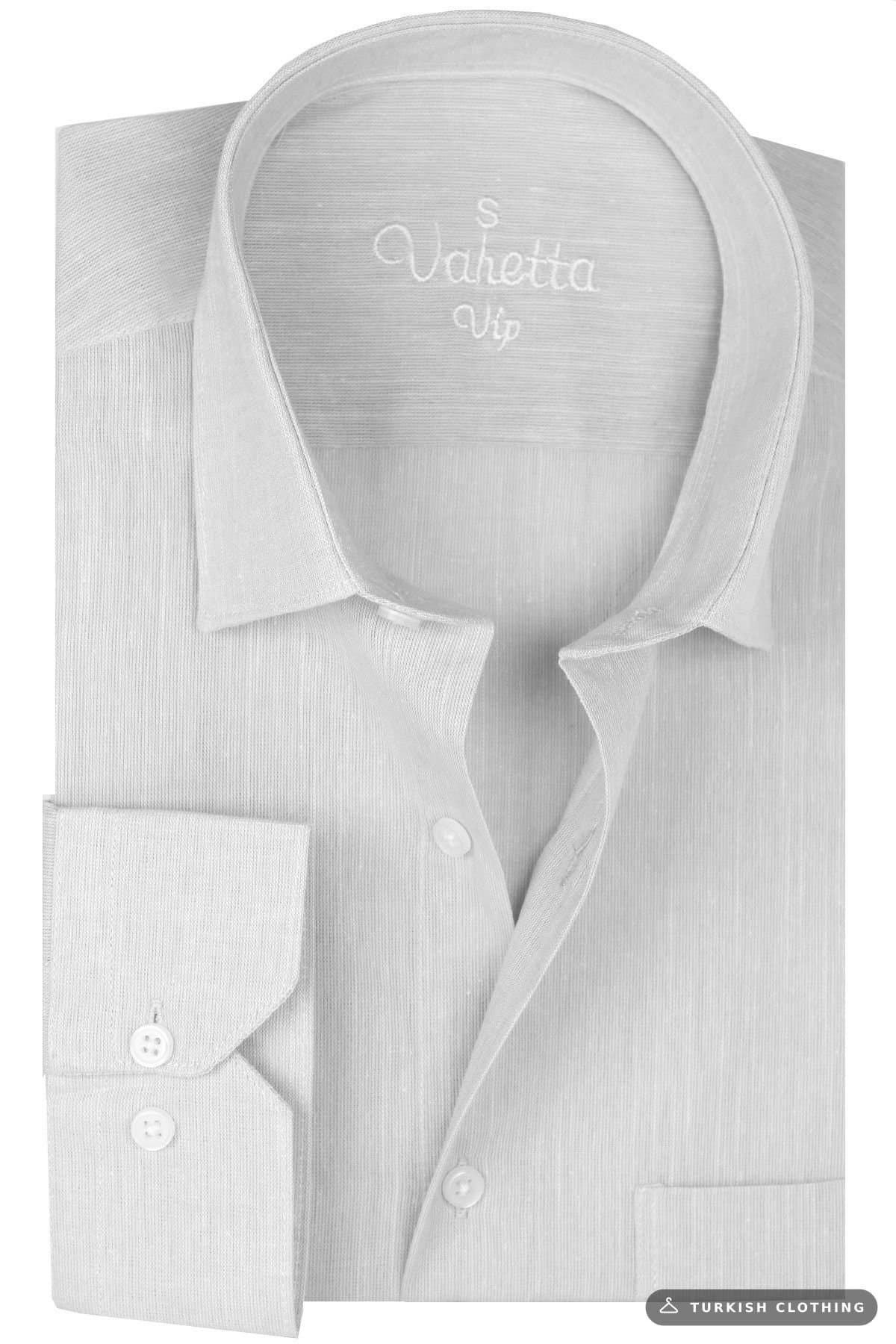
Shirts
Varetta Men's Gray Long Sleeve Linen Effect Pocket Cotton Shirt (2)
Varetta
Register to see price— free
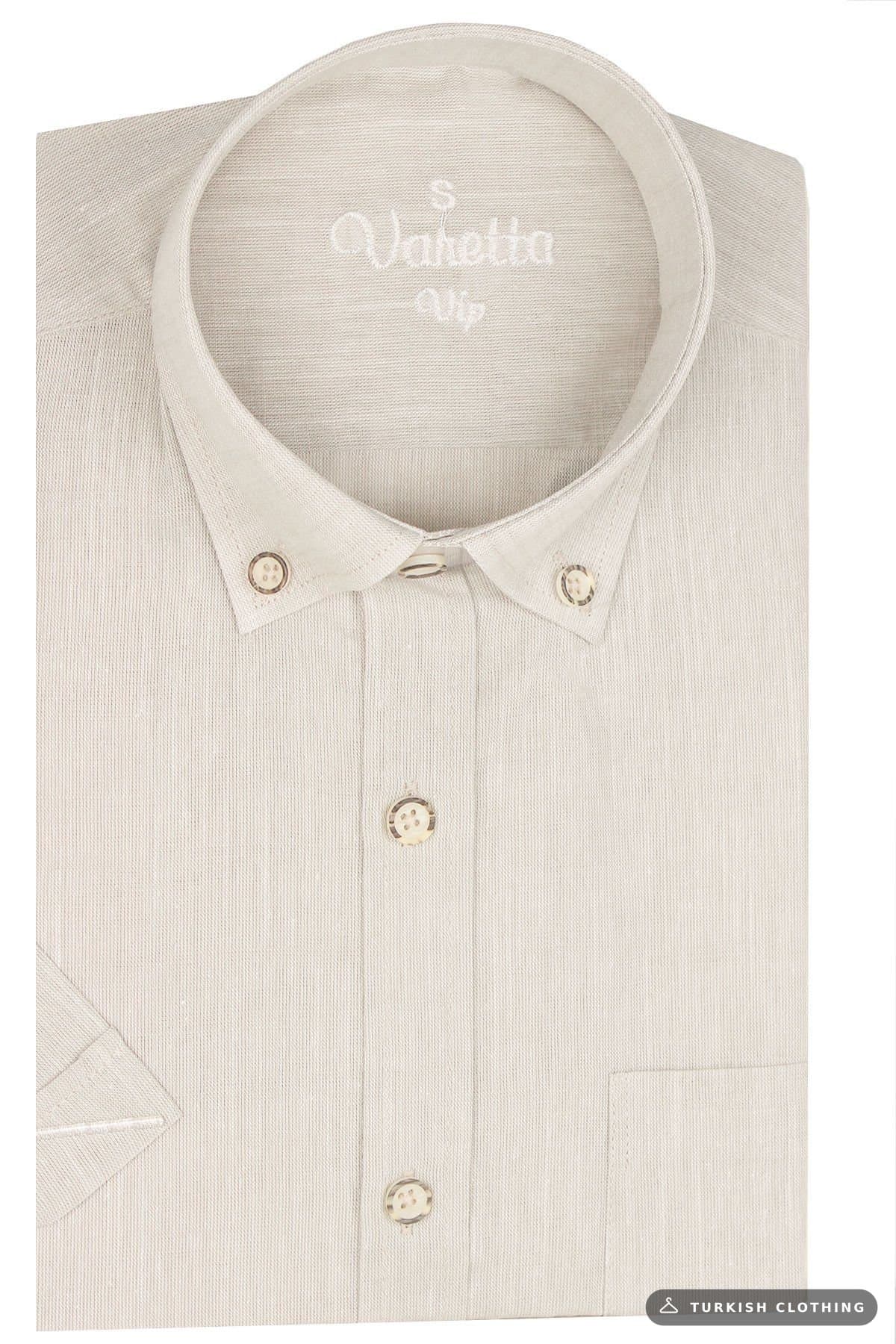

Shirts
Varetta Men's Blue Linen Pocketed Short Sleeve Shirt Dark — Pocket
Varetta
Register to see price— free


Shirts
Varetta Men's Mint Green Linen Short Sleeve Shirt with Pockets — Pocket
Varetta
Register to see price— free

Shirts
Varetta Men's Gray 100% Cotton Linen Pocketed Short Sleeve Shirt Dark
Varetta
Register to see price— free


Related niches
Linen shirts: sourcing questions answered
- Should I stock pure linen shirts or linen-viscose blends?
- The decision is really about your customer's relationship with wrinkles. Pure flax has a dry, crisp hand and creases with character; shoppers who buy it expect that texture and read it as authenticity, which lets you hold a higher retail price. A 55/45 linen-viscose blend drapes closer to the body, recovers from creasing far better and costs noticeably less per piece, making it the safer call for volume programs and for markets where customers iron rarely. Many buyers run both in the same range: pure linen in the hero colorways, the blend in the deeper size curve. Ask the factory for washed swatches of each before deciding — the difference after one home laundering is more instructive than any spec sheet, and swatches cost nothing against a serious enquiry.
- What linen weight works best for a shirt program?
- Shirting linen runs from airy 130 gsm up to around 185 gsm, and each band serves a different rail. The light end makes semi-sheer overshirts and cover-ups for beachwear, where movement matters more than structure. The 150 to 165 gsm middle is the workhorse: opaque enough for a standalone shirt, light enough to sell in hot climates, and forgiving on the sewing floor. Above 170 gsm the cloth gains enough body to hold a pressed collar and works for autumn-transition merchandising, though it feels heavy in genuine summer heat. If your range spans several markets, standardize on the middle band and vary the fit instead of the fabric — one cloth across three silhouettes simplifies the factory's purchasing and usually earns you a better per-meter rate.
- How early should summer linen shirt orders be placed?
- Work backwards from your floor date. Linen fabric procurement takes two to four weeks if the weaver holds greige and longer for dyed-to-order shades; cutting and sewing a first order adds three to four weeks; garment washing, if you want it, adds most of another week; and road freight to Europe is under a week. That chain means a February confirmation comfortably lands an April delivery, while an April confirmation is already gambling with May sunshine. The deeper risk is upstream: flax prices move with the European harvest, and factories quote firm for thirty days at most in a rising market. Buyers who confirm early effectively lock the fabric rate as well as the production slot, which is worth more than any discount negotiated later in the season.