
Wholesale Dresses from Turkey
2,641 wholesale products from verified Turkish manufacturers, with factory prices and minimums on every card.
2,641 products
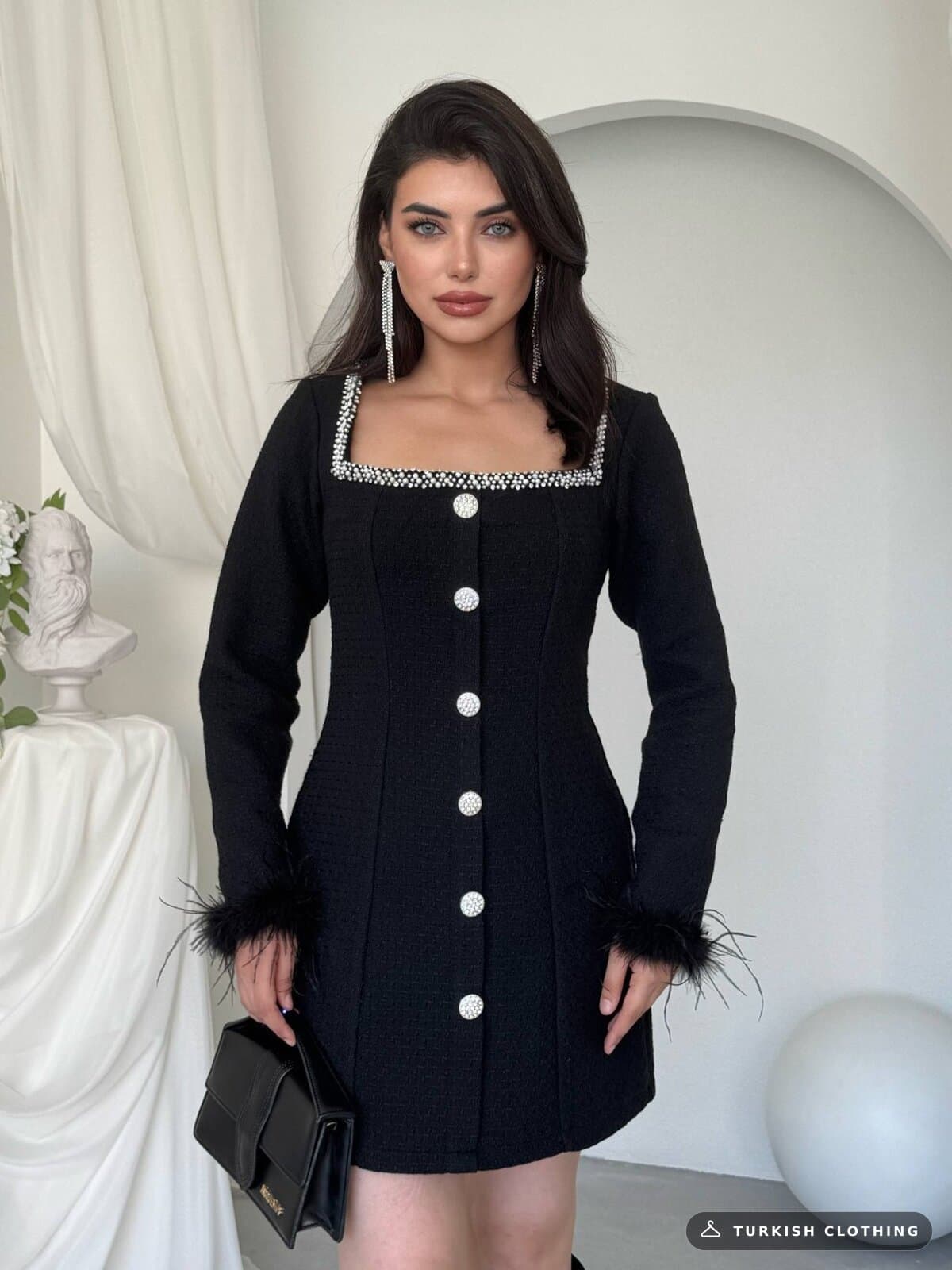
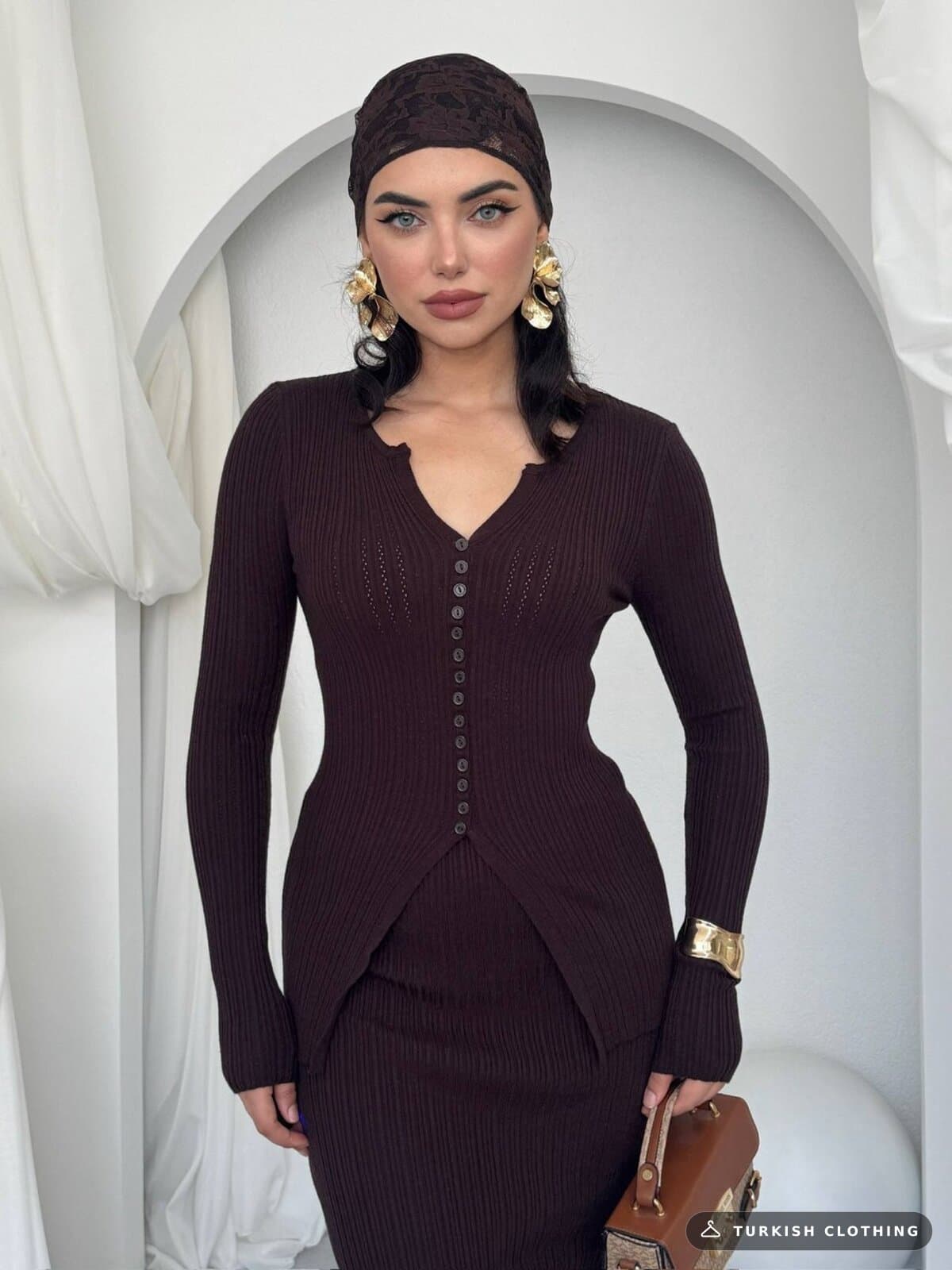
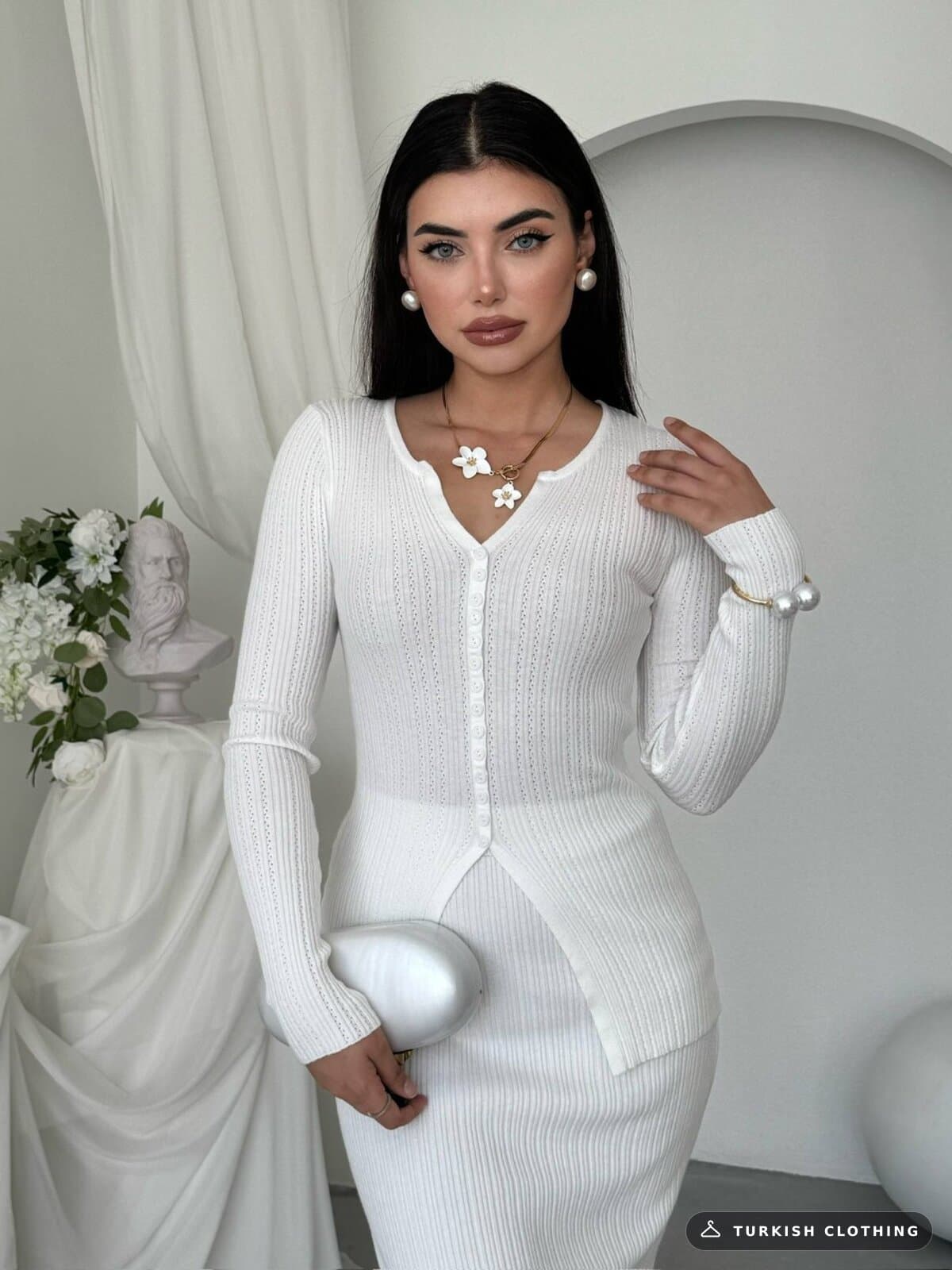
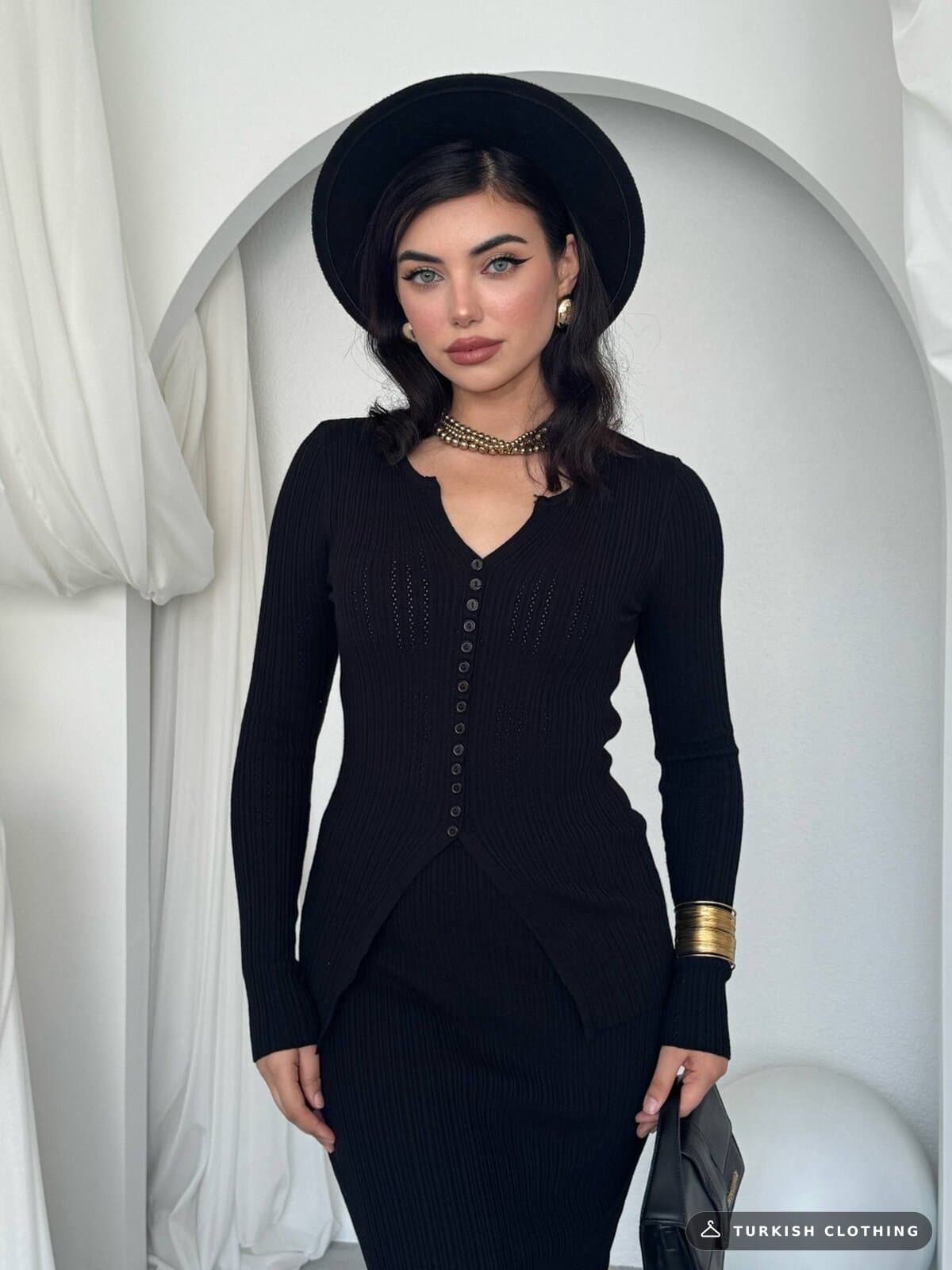
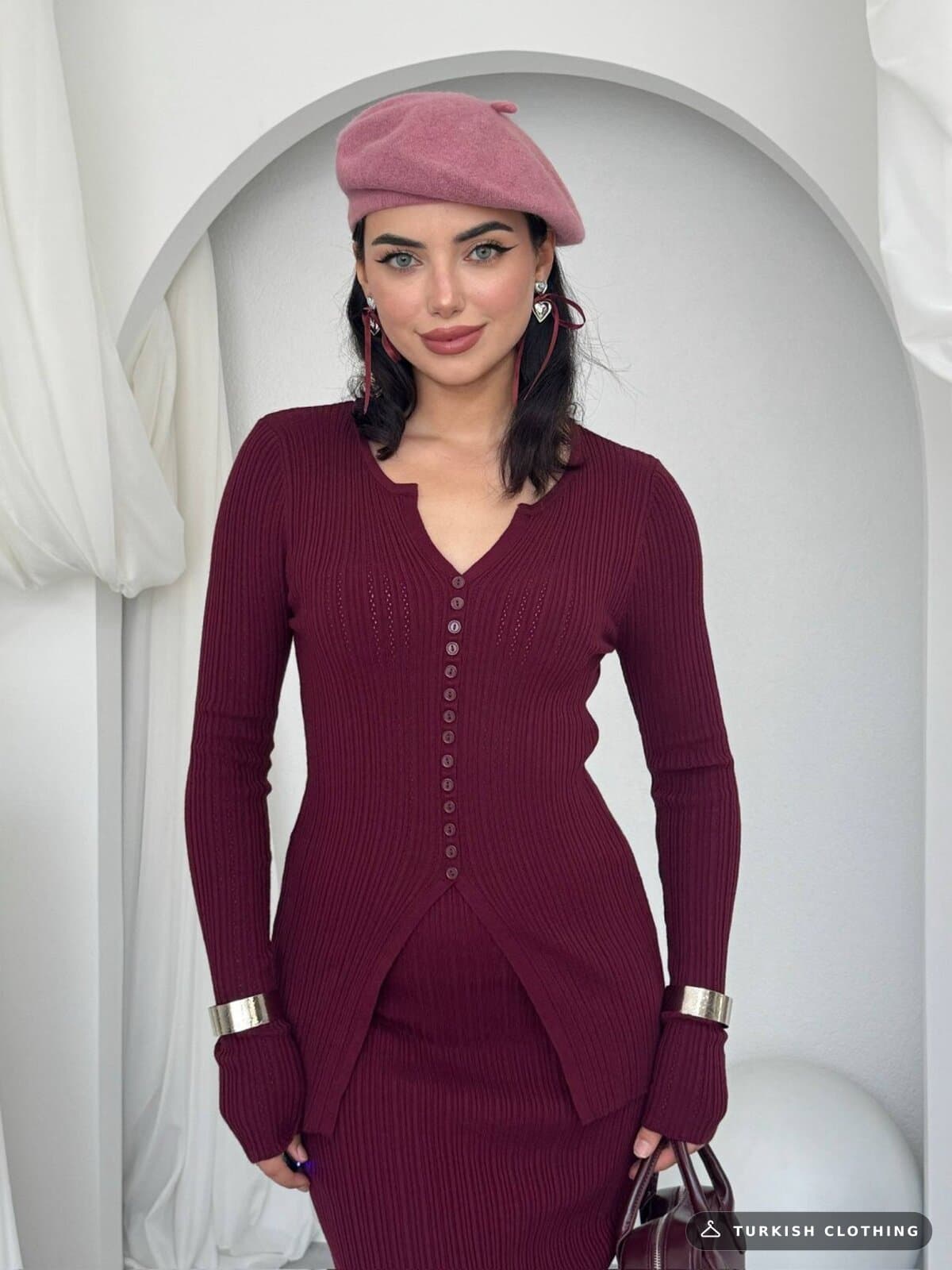
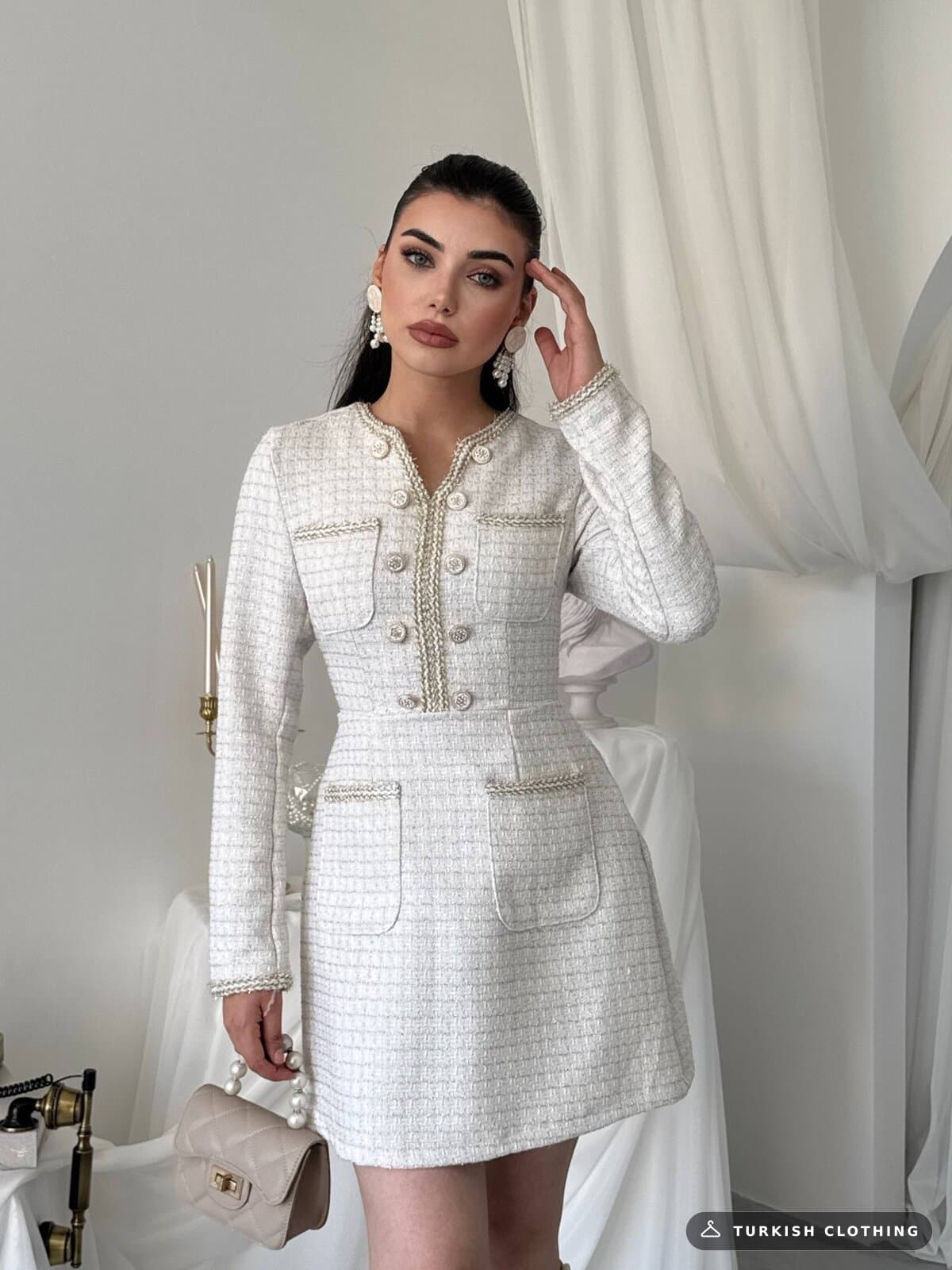
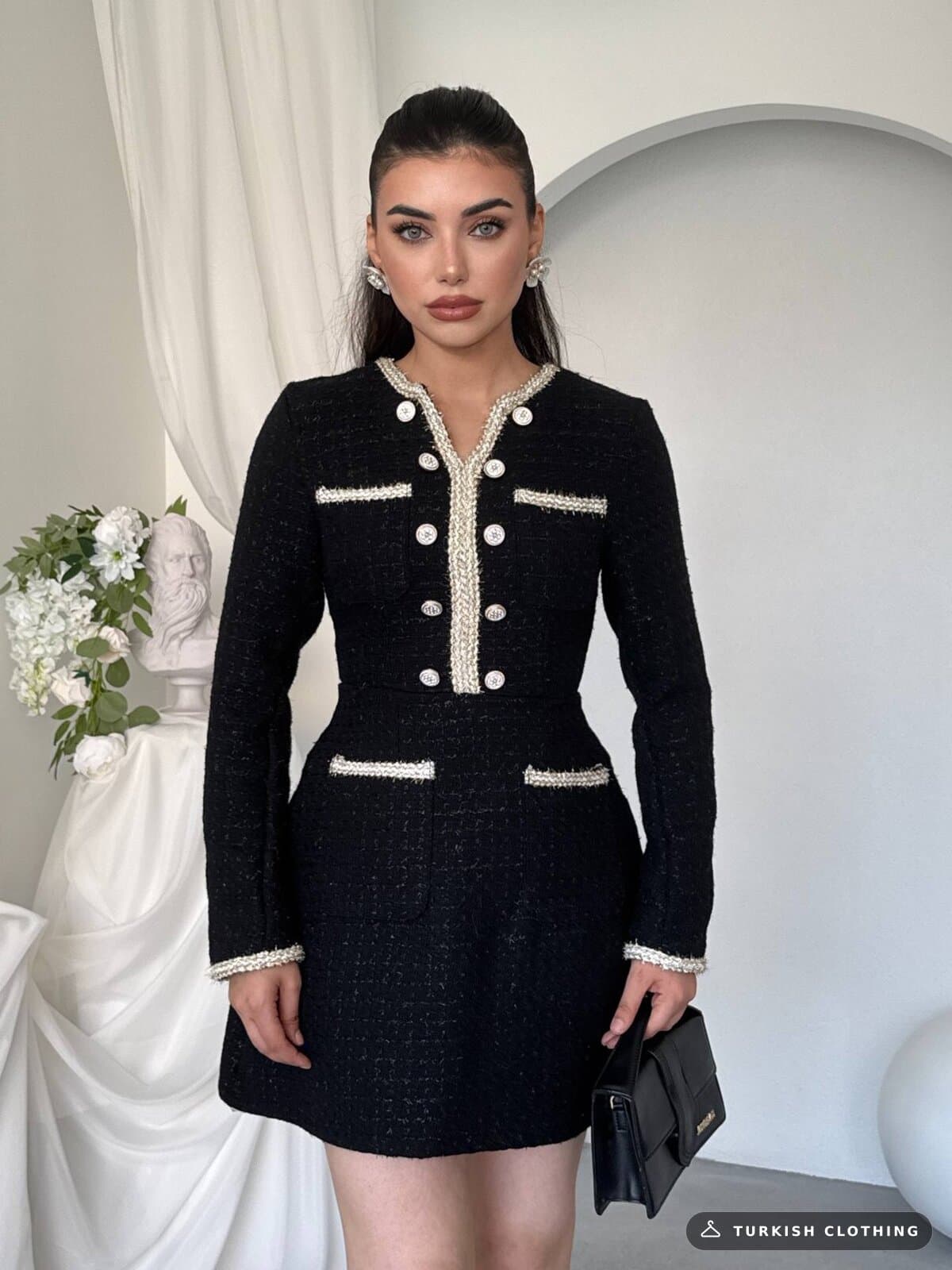
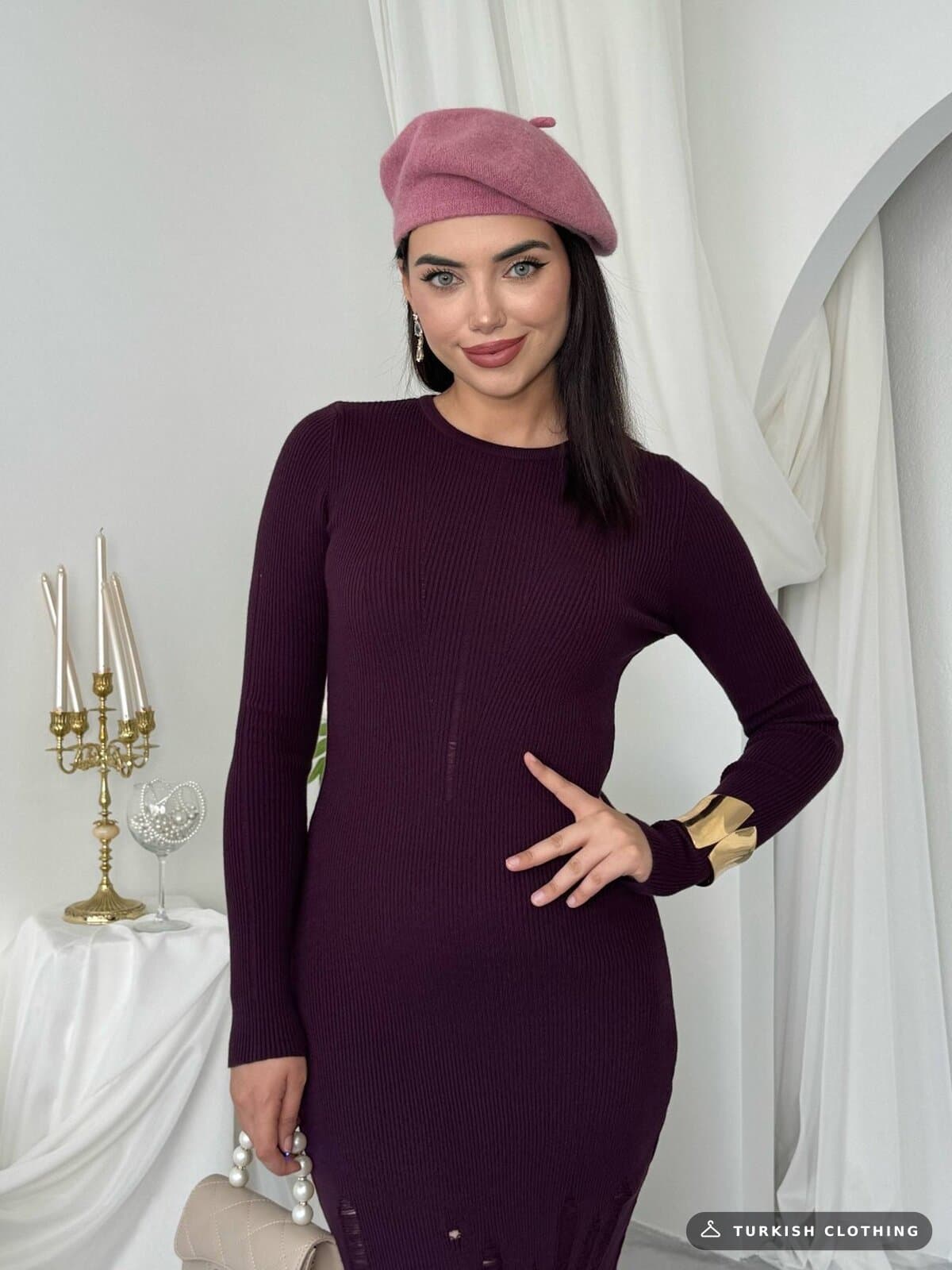
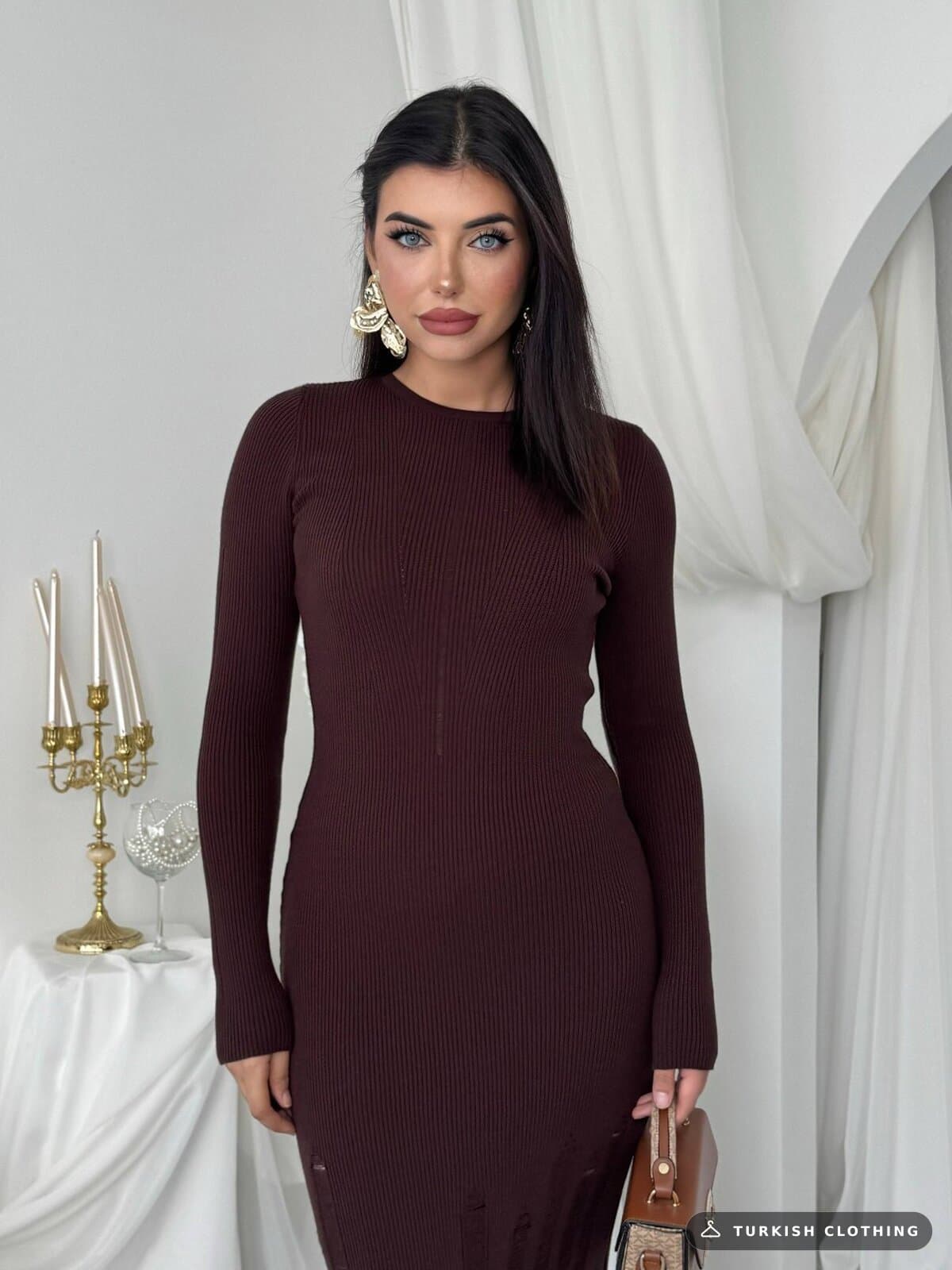
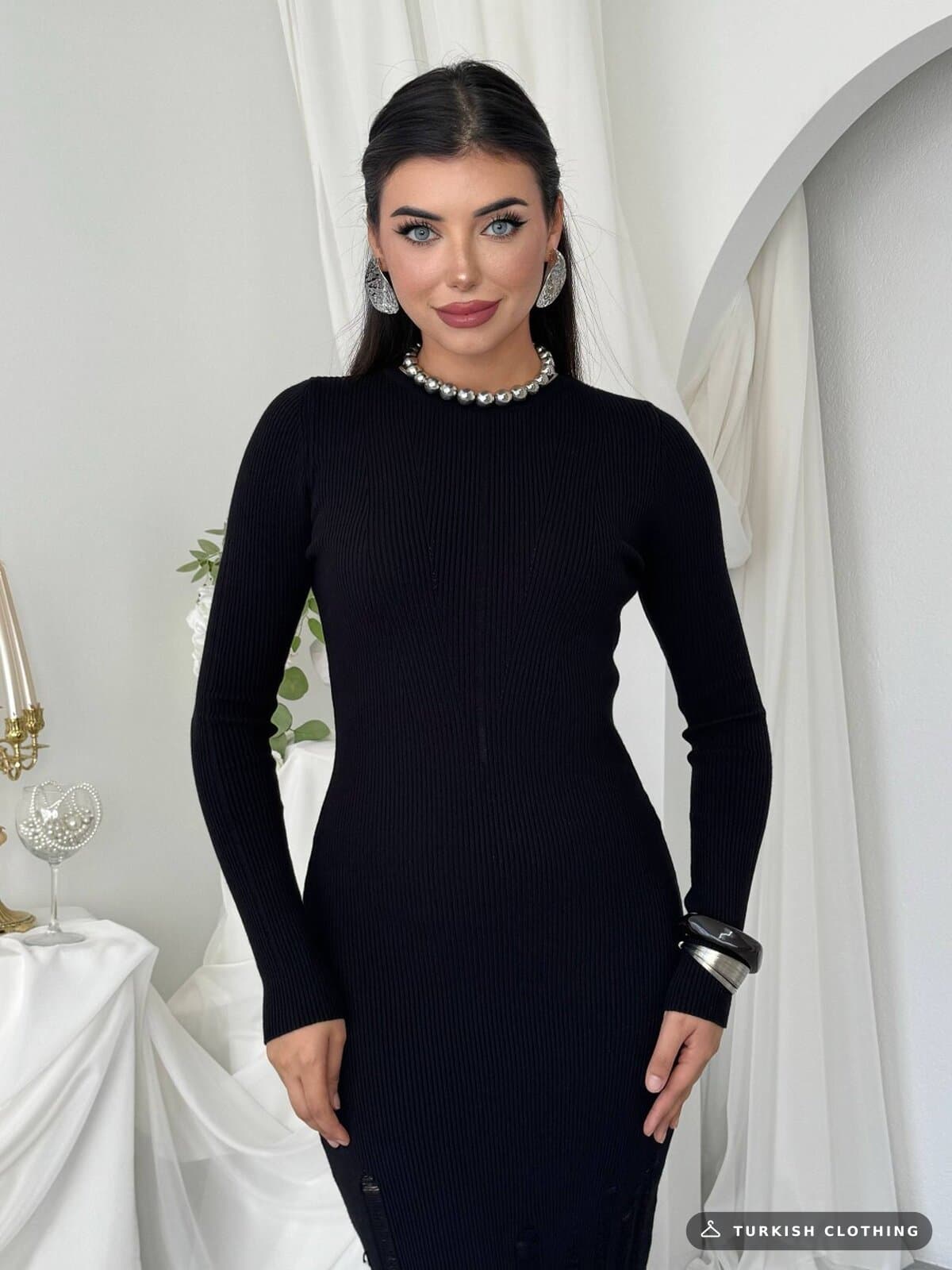
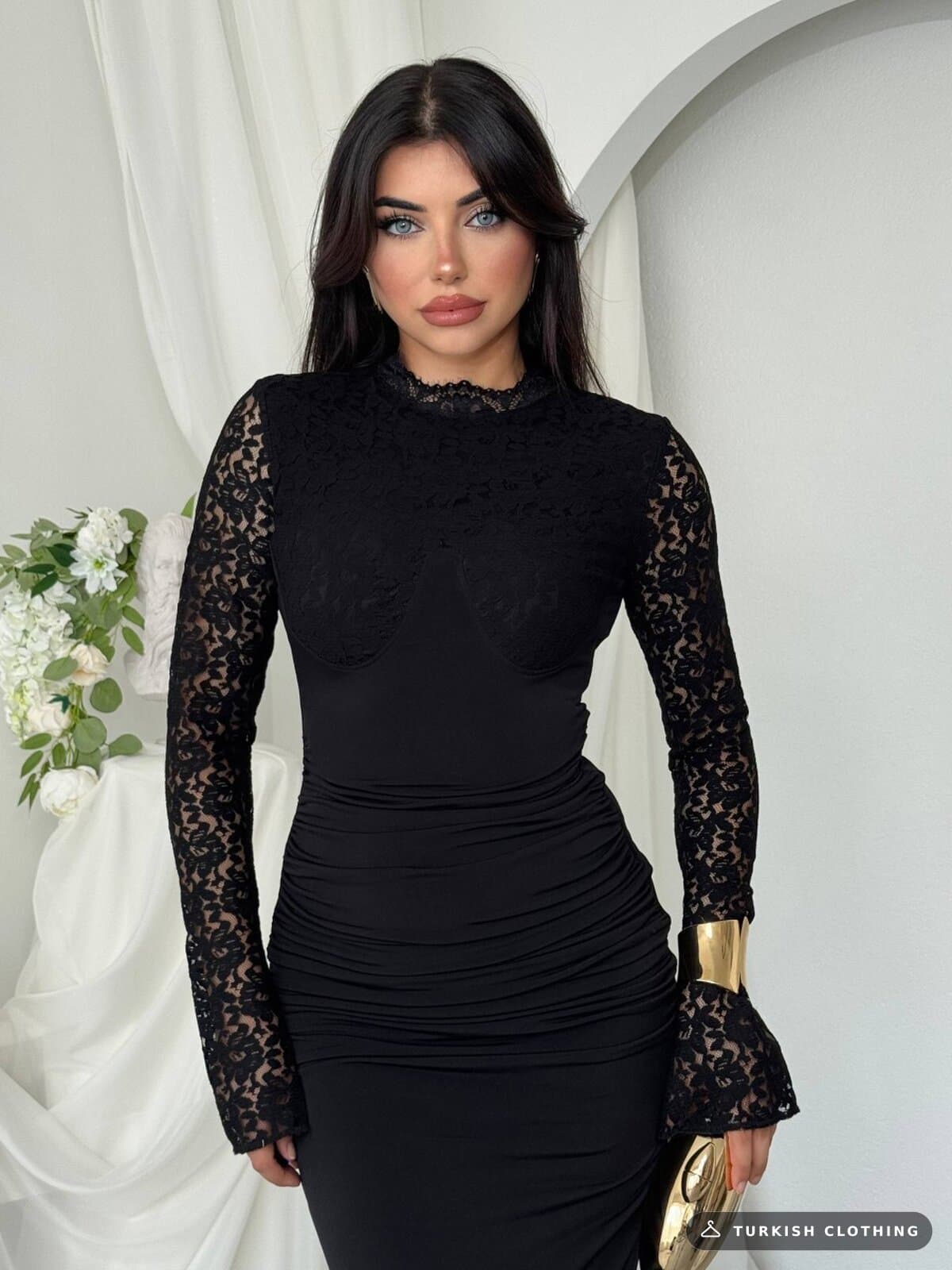
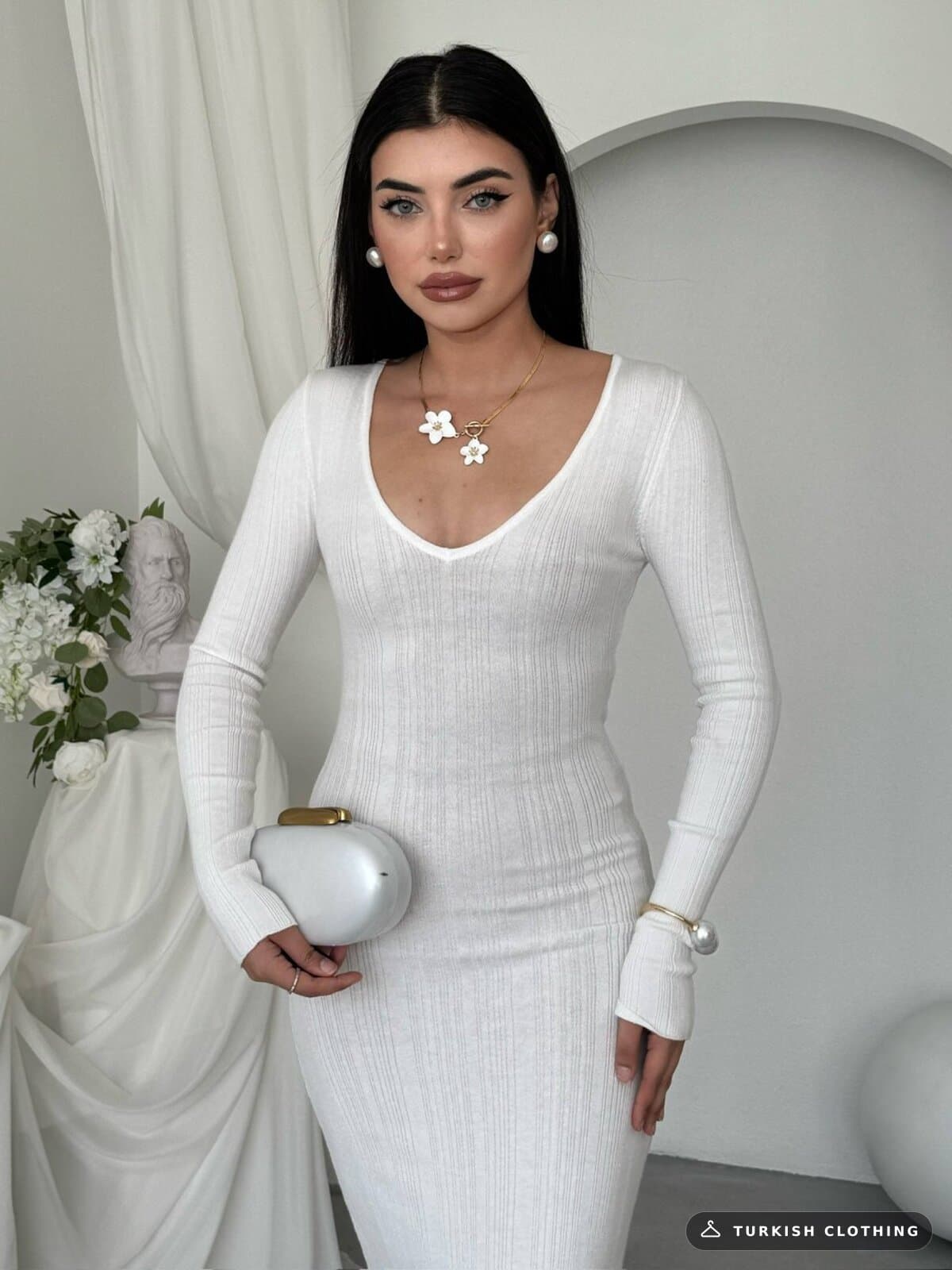
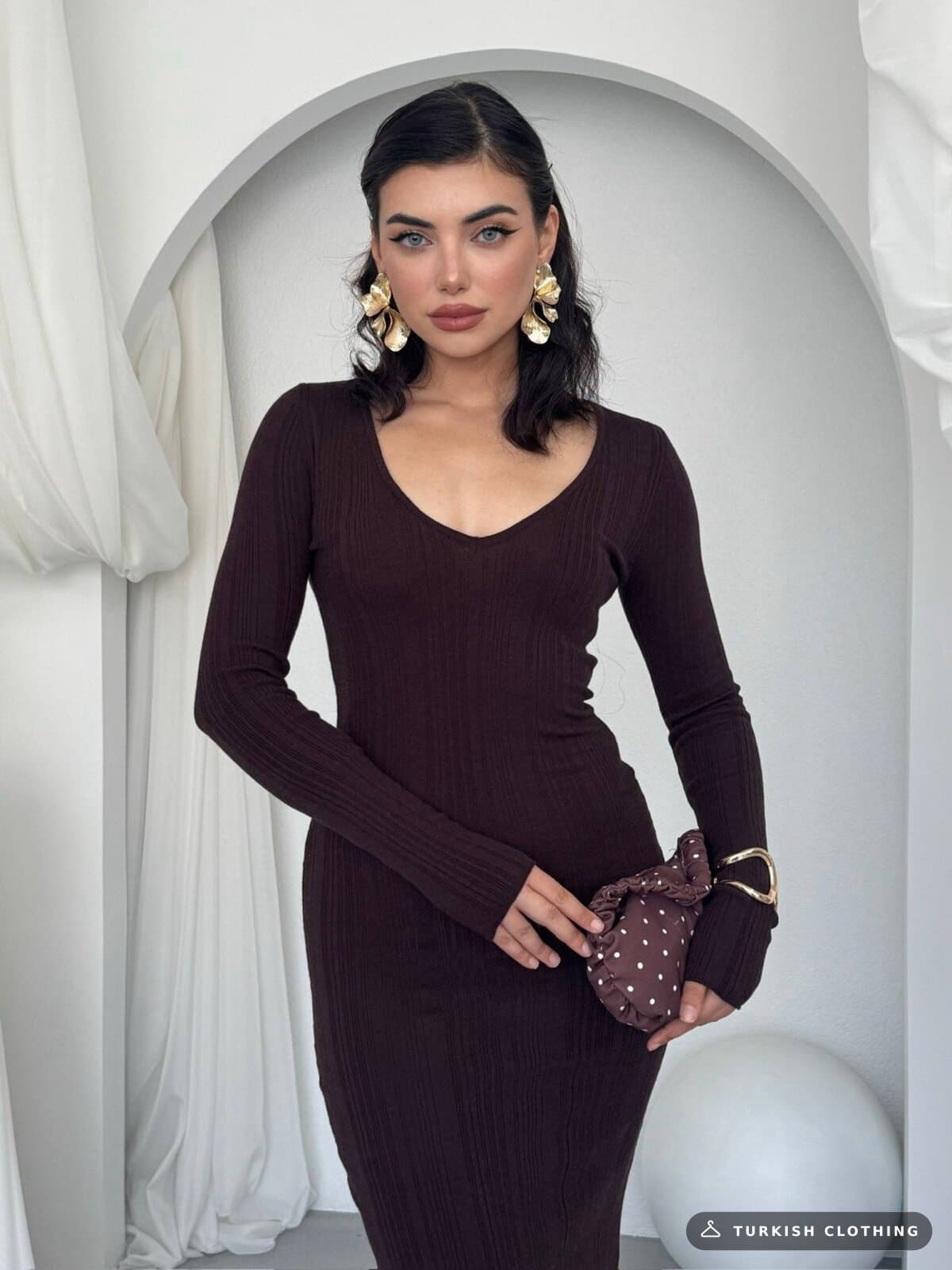
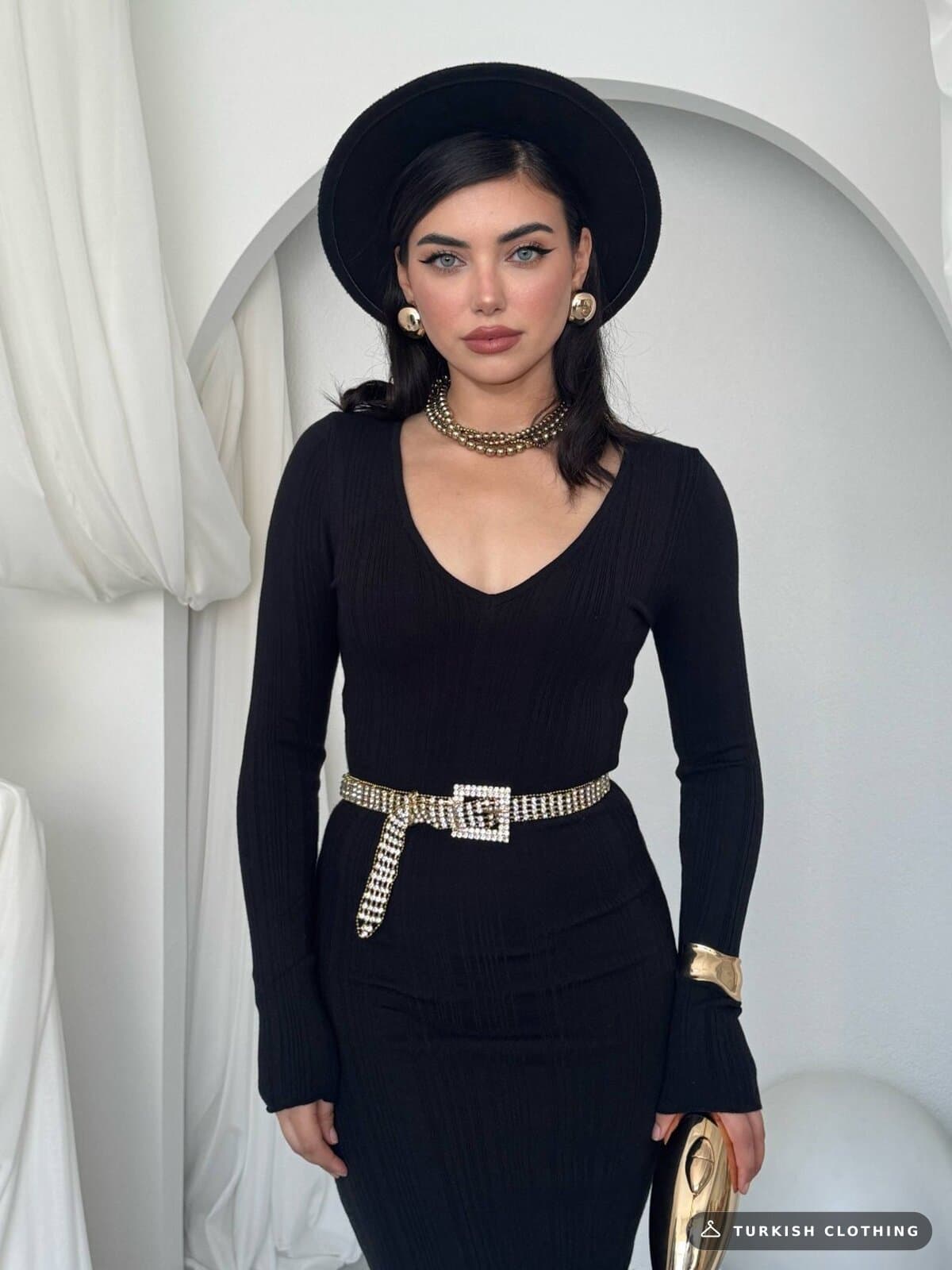
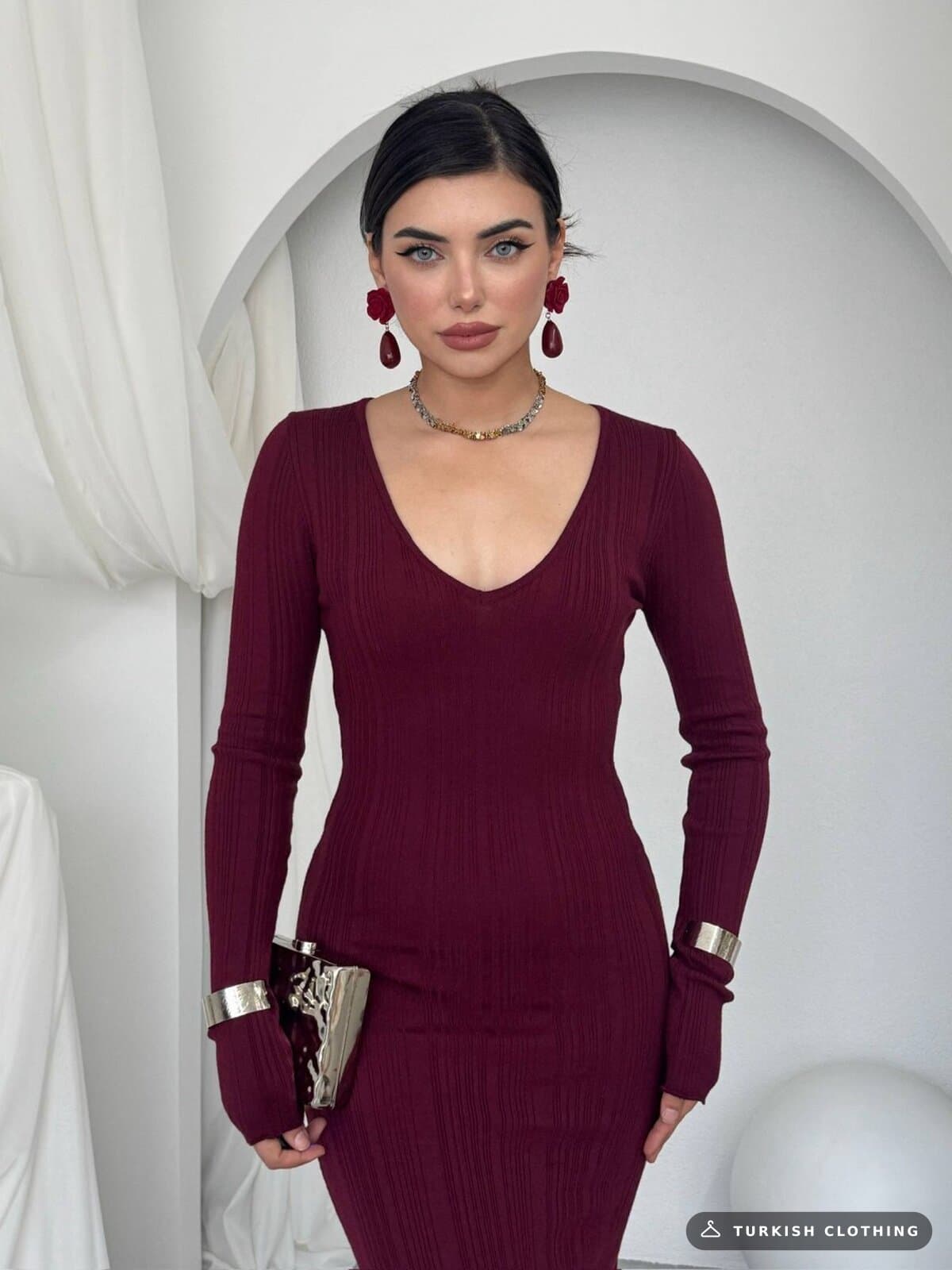
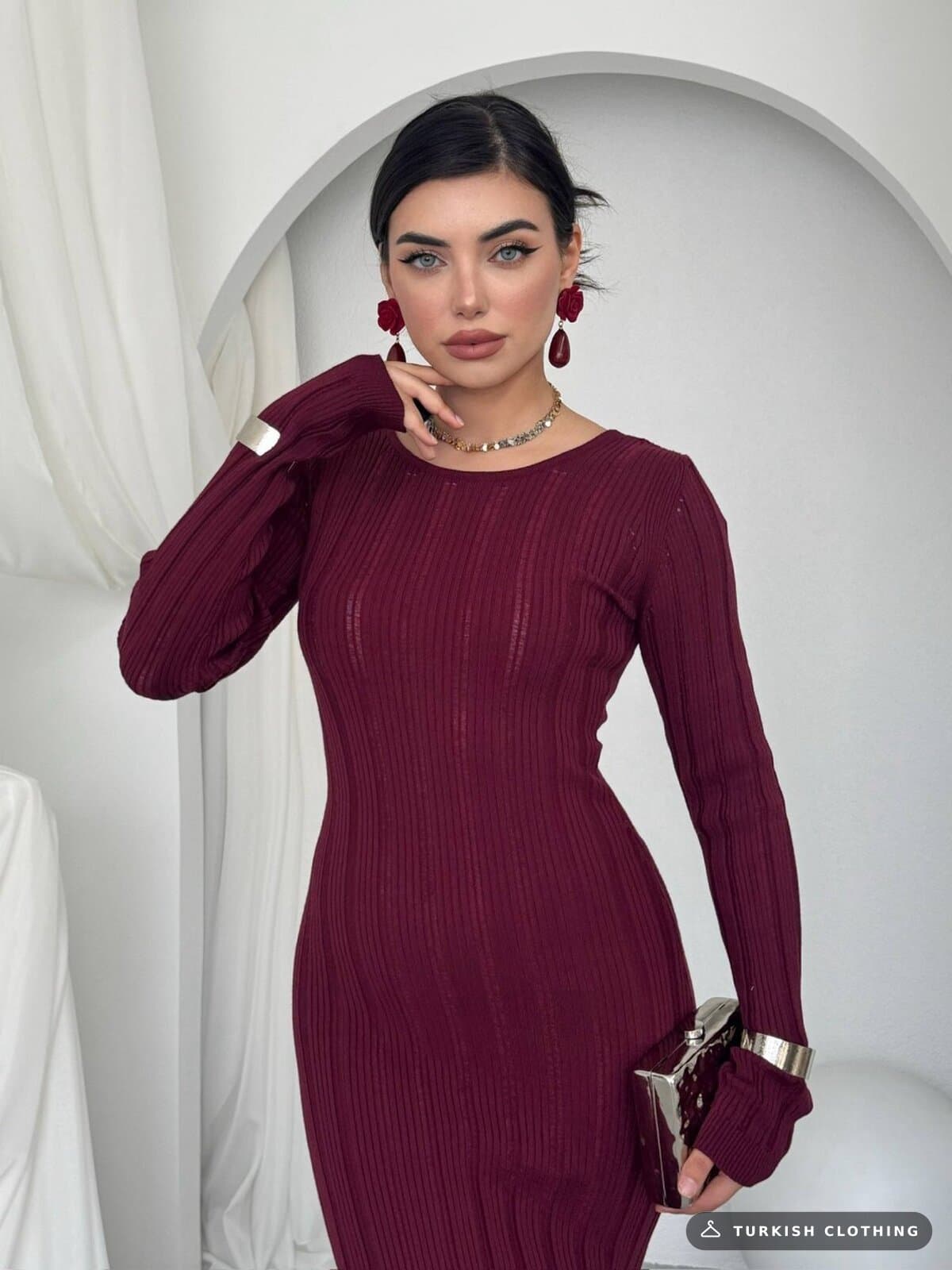
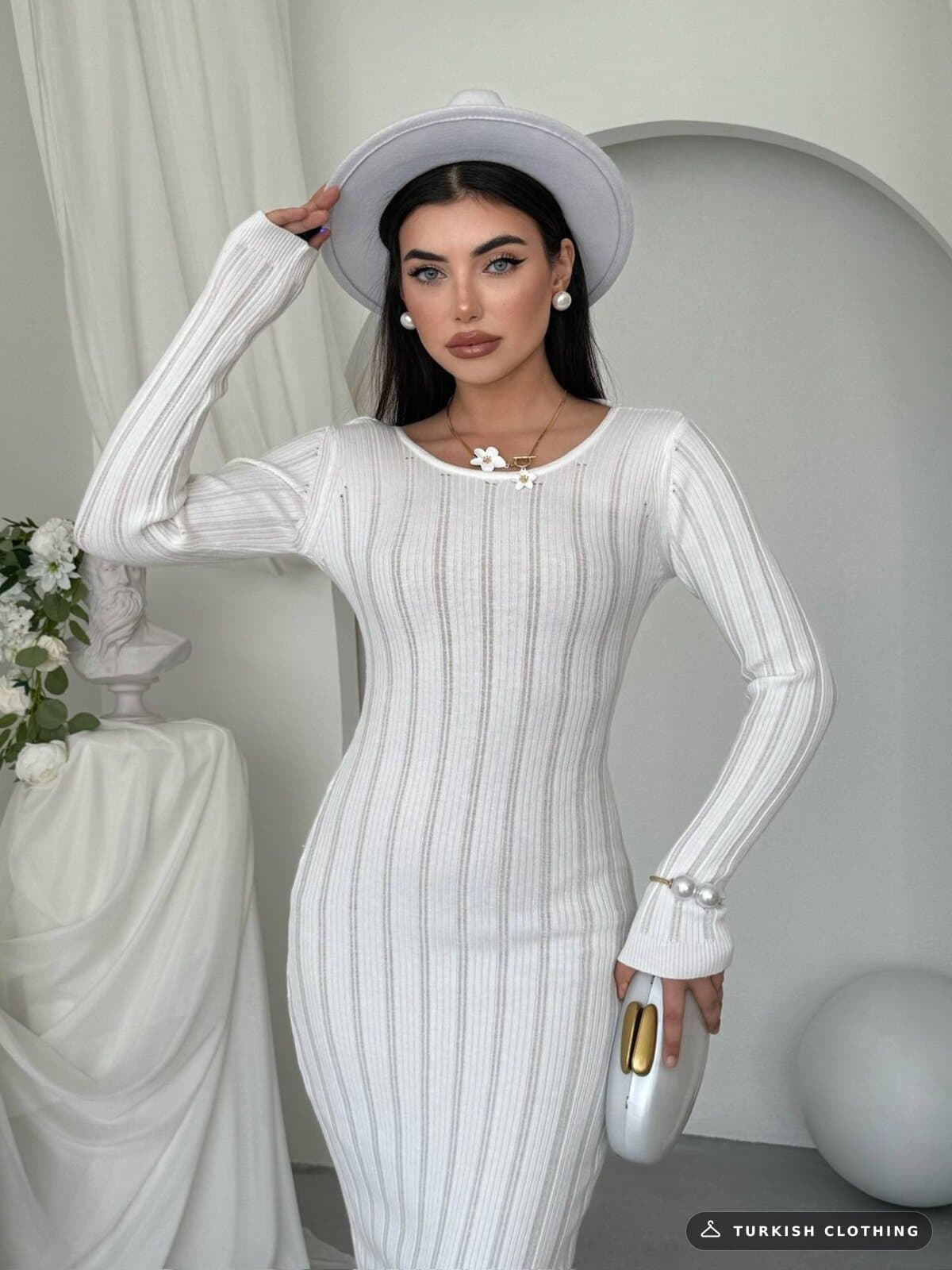
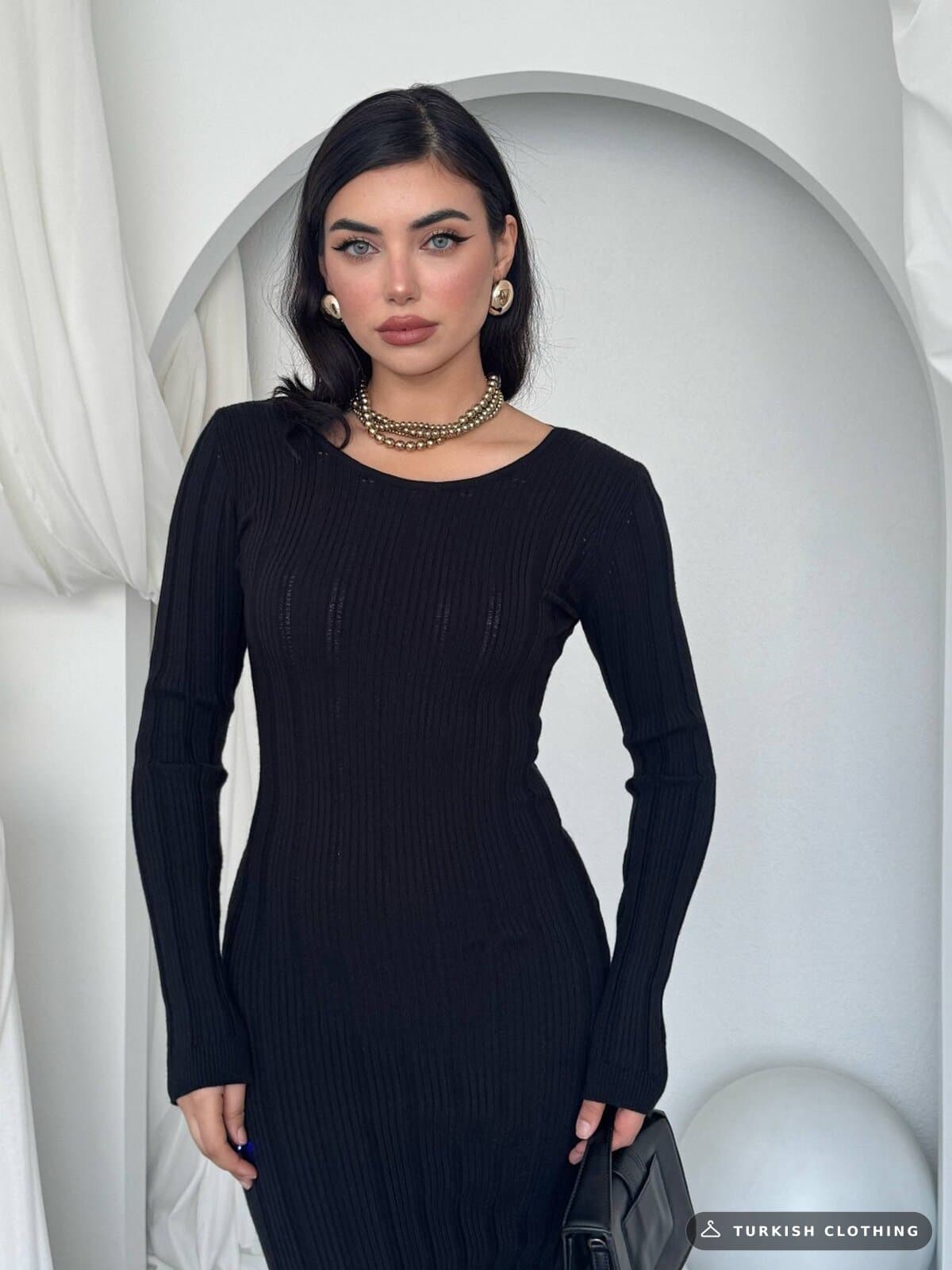
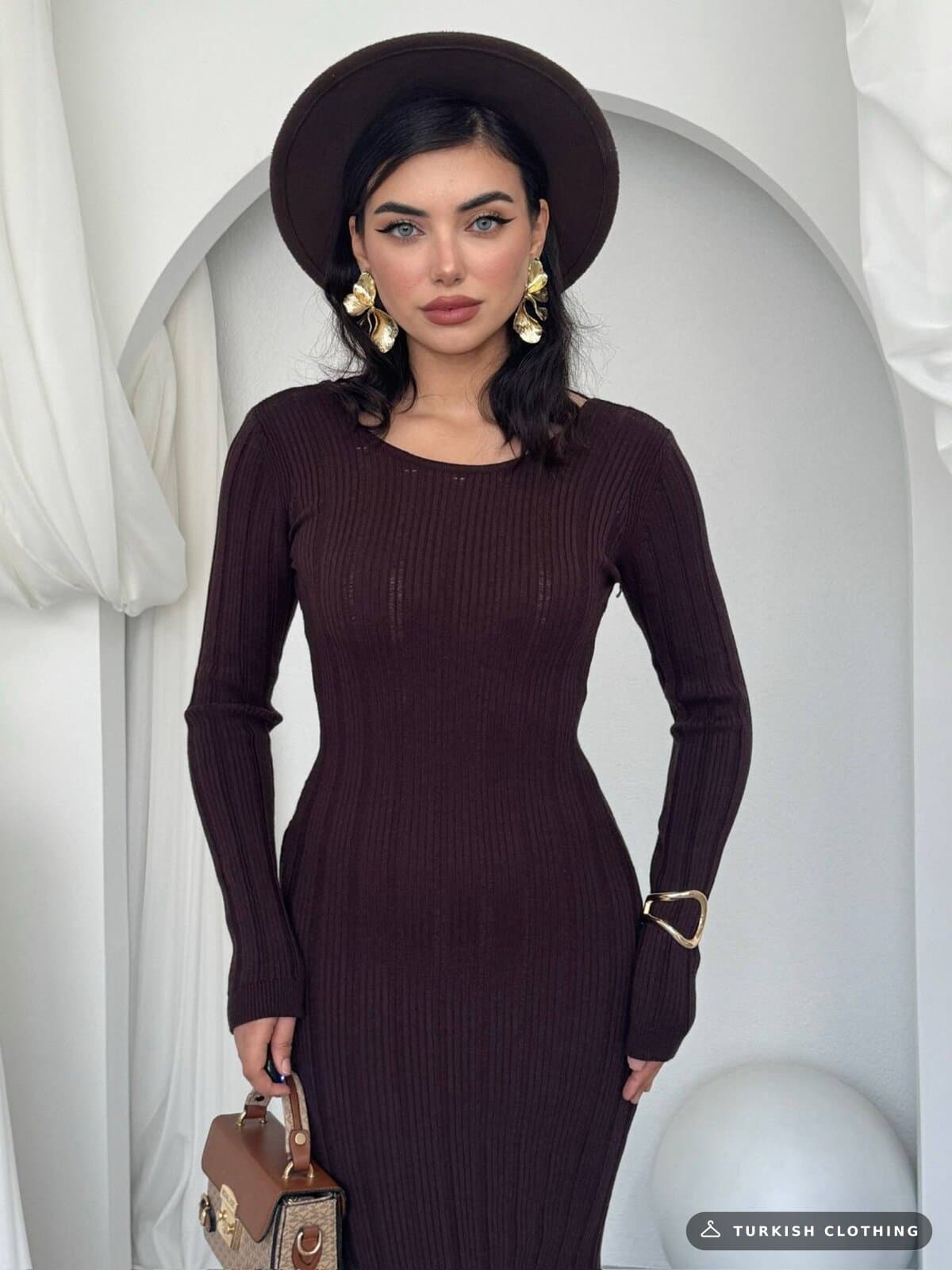
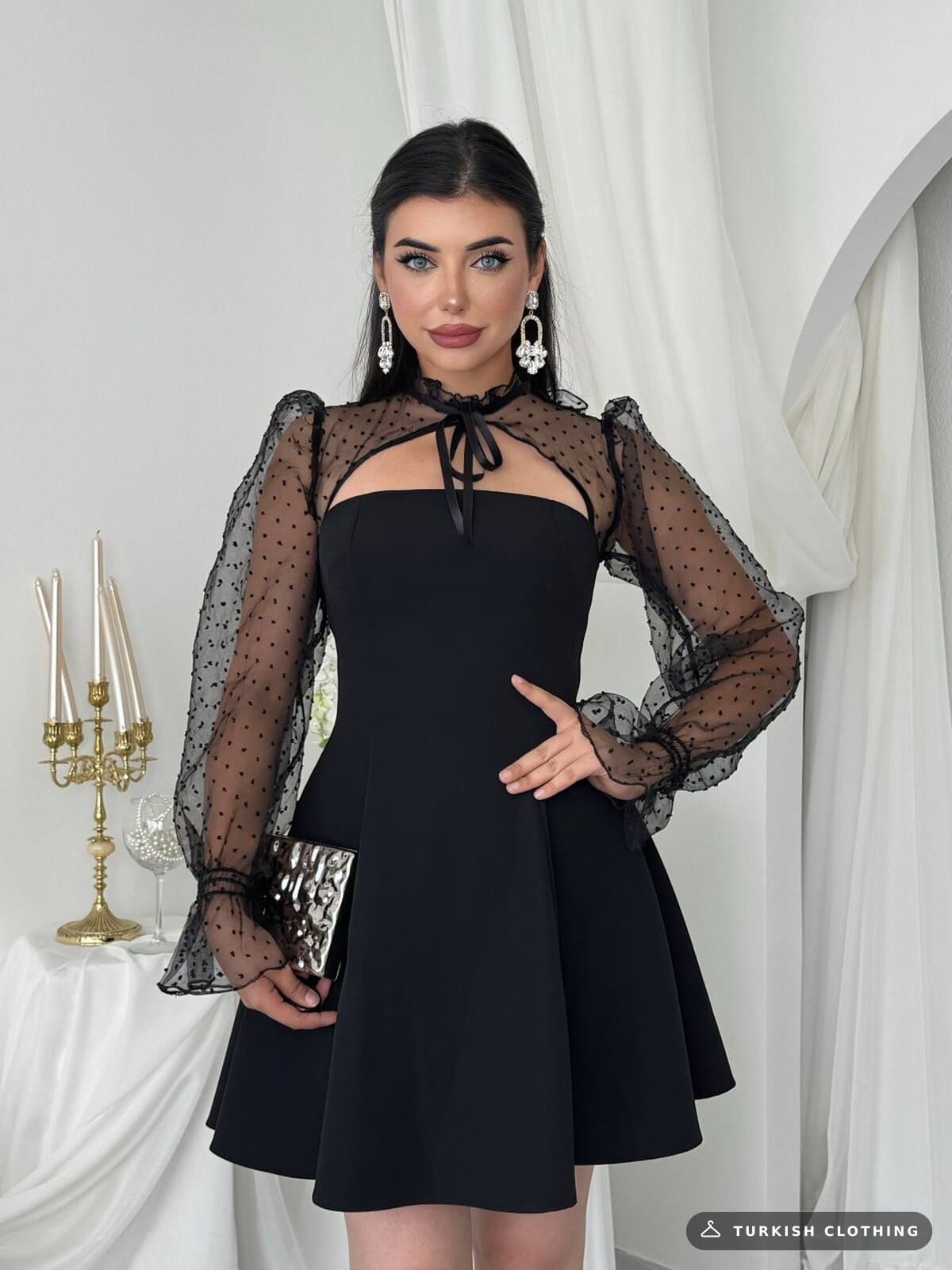
Sourcing women's dresses from Türkiye
For a boutique that restocks every few weeks, the distance between your shop and the sewing line matters as much as the unit price. Dress factories in Türkiye reach most European capitals within three to five days by road, so a style that sells out on Friday can be back on the rail before the trend cools. That reorder speed is the main reason buyers who once sourced only from East Asia now split their dress budget with Turkish workshops.
On this page you can compare live dress listings with their FOB price bands and minimums, open the factory profile behind each one, and start a quote conversation without an agent in the middle. Repeat batches are cut against the original pattern, so sizing stays consistent from one drop to the next.
How the Turkish dress trade is organised
Dresses are the highest-turnover category in Turkish womenswear, and the trade behind them looks different from most apparel manufacturing. Rather than a handful of large factories running long programmes, it is a dense network of small and medium ateliers concentrated in a few Istanbul districts — Merter, Osmanbey and Laleli — each turning designs around in weeks and selling in small lots. That structure is why a European boutique can buy sixty pieces of a style here and would struggle to buy six hundred anywhere in Asia.
The trade-off is the mirror image. You get speed, low minimums and a constant flow of new shapes; you do not get the process documentation, the audit trail or the technical packs that a large Asian factory produces as standard. If your customer is a department store with a compliance department, you will need to shortlist the larger, export-oriented manufacturers rather than the atelier next door — both exist here, and they behave differently.
The other structural fact worth understanding early is the colourway model. Most Turkish dress suppliers cut a single style in six to ten colours, and they list each colour as its own product with its own stock code. This is not padding; it is how the trade prices and holds stock. When you compare two suppliers' ranges, count styles rather than listings or you will badly overestimate the assortment.
- Atelier
- Small workshop, fast sampling, minimums in the dozens. Best for boutiques and for testing a shape before committing.
- Export manufacturer
- Larger, audited, works to a tech pack. Higher minimums, slower start, the only realistic route into organised retail.
- Style vs colourway
- One design in eight colours is one style. Suppliers list it as eight products — read a range accordingly.
- Istanbul's wholesale districts explained — Merter, Laleli and Osmanbey, and who buys where
- Browse verified suppliers — factory profiles with category focus and location
The fabric families a dress range is built from
Dresses cover a wider fabric range than any other category, and the cloth decides almost everything downstream: how the garment drapes, what it costs, whether it needs lining, and how it survives the customer's washing machine. Five families do most of the work in the Turkish market.
Viscose and viscose blends dominate spring and summer. They drape softly, take print well and feel cool against skin, but they shrink and crease more than synthetics — pre-shrunk cloth and an honest care label matter here. Crepe, whether polyester or viscose-based, is the workhorse of the year-round dress: it holds shape, resists creasing and hides seam imperfections, which is why so many mid-price dresses use it. Satin — often sold in Türkiye under the name atlas — carries the occasion end of the market, and it is unforgiving: every needle mark and every pressing error shows.
Then there are the lighter and heavier extremes. Chiffon and georgette need lining and careful handling but deliver the volume that occasionwear sells on. Jersey and ponte sit at the casual end, forgiving on fit and the easiest place to start if you are new to the category. Knowing which family a style belongs to tells you its lining requirement, its pressing cost and its return rate before you have seen a sample.
- Viscose
- Soft drape, breathable, prints beautifully. Shrinks and creases — insist on pre-shrunk cloth and a realistic care label.
- Crepe
- Textured surface that resists creasing and forgives construction. The default for year-round mid-price dresses.
- Satin / atlas
- High shine for occasionwear. Shows every flaw, so inspect seams and pressing on the fit sample closely.
- Chiffon & georgette
- Sheer and lightweight — always costed with lining. Adds cutting time because the cloth moves.
- Jersey & ponte
- Stretch knits, forgiving on grading and fit. The lowest-risk entry point into the category.
Fit, grading and the size chart problem
More dress returns come from fit than from quality, and most fit problems are a grading conversation that never happened. Turkish factories grade to whatever base block you supply, but if you supply nothing they will use their own — usually a Turkish or general European block, which is not the same as a UK, German or US block.
Send your size chart with the request for quotation, not after the first sample. Specify the measurement points that matter for the shape: bust, underbust, waist, hip, shoulder-to-waist and total length for a fitted dress; add sleeve length and bicep for anything with a set-in sleeve. State whether measurements are body or garment, because the two differ by the ease you want and confusing them produces a sample that fits nobody.
Agree tolerances in writing as well. A centimetre of deviation on a hip measurement is normal manufacturing variance; three is a rejected delivery. Writing the acceptable range into the purchase order turns a future argument into a checkable number, and it costs nothing at the time.
- Send your block
- Your chart, your market. Without it the factory uses its own and the fit will surprise you.
- Body or garment measurement
- State which. The gap between them is the ease, and an unstated ease produces an unwearable first sample.
- Tolerance in the PO
- Typically ±1 cm on major points. Written down before production, it settles disputes after it.
Minimums, colourways and how to buy a first range
Dress minimums in Türkiye are among the lowest in the world, and the reason is the colourway model described above. A supplier holding stock cloth in eight shades can cut thirty pieces per colour without a dye lot, which is how boutique-scale orders become possible at all.
That gives you a specific buying strategy. For a first range, take fewer styles in more colours rather than more styles in one colour — you learn which shape sells while keeping the total commitment small, and the supplier is happier because you are drawing on cloth they already own. Ask which colours are stock before you choose a palette; a shade the mill does not hold turns a sixty-piece order into a dye-lot commitment.
Size ratios are the other lever. Let the supplier propose the ratio for their block rather than insisting on an even split. They know which sizes sell out and which sit, and accepting their curve on a first order costs you nothing while buying goodwill you will want when you need a rush repeat.
- Wholesale price guide — typical price bands before freight and duty
- Request quotes — one brief to several matched suppliers
Lining, closures and the details that decide perceived quality
Two dresses in identical cloth can feel a grade apart, and the difference is almost always in the parts a photograph does not show. Lining is the first of them. A lined dress hangs better, does not cling, and hides the construction; an unlined one in a semi-sheer cloth reads as cheap however good the outer fabric is. Lining is also a real cost line, so decide it per style rather than as a blanket rule.
Closures come next. An invisible zip inserted well is the single clearest signal of a competent maker; a puckered one tells you what the rest of the garment will be like. Check the zip on the fit sample by running it fully, twice, and look at whether the seam either side stays flat. Buttons, hooks and eyes should be specified by size and finish rather than left to the factory's stock box, because that is exactly where a range loses its coherence.
Finally, the finishing details: a bagged-out hem versus a blind hem, whether seam allowances are overlocked or bound, whether the neckline is faced or bias-bound. None of these appear in a price comparison and all of them appear in a customer review.
- Lining
- Decide per style. Non-negotiable on sheer and light colours; a needless cost on a heavy jersey.
- Invisible zip
- The fastest read on workmanship. Test it twice on the fit sample and check the seam lies flat.
- Specified trims
- Name button size and finish. Left open, each production run drifts and the range stops matching.
The seasonal calendar and when to place orders
Dress buying runs to a tighter calendar than most categories because the product is so seasonal. Spring and summer ranges are sampled from late autumn and bought from January; autumn and winter from late spring, bought from July. Occasionwear runs on its own clock, peaking twice — spring for graduation and wedding season, and late autumn for the party period.
Two Turkish constraints sit inside that calendar and neither shows on a supplier's schedule. The two religious holidays shift roughly eleven days earlier each year and effectively stop production for a week each, with a thin week beforehand. And the export peak before European autumn deliveries makes late summer the hardest time to be a new customer with a small order. Ask every supplier for their holiday dates in writing at the quotation stage — it is a normal question and the answer moves your delivery date.
Where Türkiye pays off is the repeat. Road freight to central Europe is measured in days, so a style that sells can be reordered and on the shelf inside weeks rather than the months an Asian container needs. Build your first order small on purpose and keep budget back for the reorder — that is the whole strategic advantage of buying here, and most first-time buyers spend it on breadth instead.
- Landed cost calculator — unit price plus freight, duty and terms
- How sourcing works — quote, sample, production, delivery
Labelling and paperwork for the European market
Selling a dress into the EU carries labelling obligations that sit with you as the importer, not with the factory, and they are cheap to get right at the order stage and expensive to fix on a pallet in a warehouse.
Fibre composition must be stated accurately, in the language of each country you sell in, using the regulated fibre names. Care symbols should reflect what the garment actually survives, which means asking the factory what the cloth was tested at rather than copying a symbol set from a previous style. Country of origin, the responsible business name and address, and size marking complete the set.
On duty: goods that qualify under the EU–Türkiye customs union move without customs duty, which is a meaningful part of why the country competes. Qualification depends on the paperwork accompanying the shipment, so confirm with your freight forwarder which document your goods need and make sure the supplier issues it — discovering this at the border is the expensive way to learn it.
- Fibre composition
- Accurate percentages, regulated fibre names, translated for each market you sell into.
- Care symbols
- Ask what the fabric was tested at. Copying symbols across styles is how a viscose dress ends up labelled machine-washable.
- Customs paperwork
- The customs union removes duty on qualifying goods — but only with the right document travelling with the shipment.
Placing a first dress order that does not disappoint
The pattern of first-order problems in this category is consistent: the buyer fell for a photograph, ordered breadth, and discovered that fit and fabric weight were never specified. The fix is procedural, not clever.
Ask for a physical sample before any bulk commitment, in the production cloth and in the colour you expect to sell most of. Photographs flatter dresses more than any other garment — drape, weight and how a colour behaves in daylight simply do not survive a product shot. Send your size chart with the enquiry. Restrict the first order to a few styles you believe in, in several colours, and hold budget back for the repeat.
Then agree the boring things: tolerance, packing method, whether pieces arrive on hangers or folded in polybags, and an inspection point before shipment. A third-party inspection costs a fraction of a rejected delivery and, more usefully, changes how carefully the final press and pack is done in the first place.
- Send a quote request — spec, size chart and target price in one brief
Women's Dresses: common sourcing questions
- How fast can a dress reorder reach Europe?
- Once fabric is on hand, most workshops cut and sew a repeat batch in ten to fifteen days, and trucking adds three to five more. Reserving the fabric at the first order protects that window.
- Can I combine several dress styles to reach the minimum?
- Many factories let you split one minimum across two or three styles cut from the same cloth. Confirm the split in your RFQ, because it depends on how the cutting marker is planned.
- Will the dresses carry my boutique's own label?
- Yes — woven labels and hang tags are sewn in for little more than the label maker's setup fee. Send label artwork with your quote request to get an exact figure.